Kathmandu — Federation of Nepalese Chambers of Commerce and Industry (FNCCI) President Kamalesh Kumar Agrawal has called for the development of Nepal’s music sector into a competitive, creative industry, emphasizing the need for legal reforms, professional opportunities and stronger access to international markets.
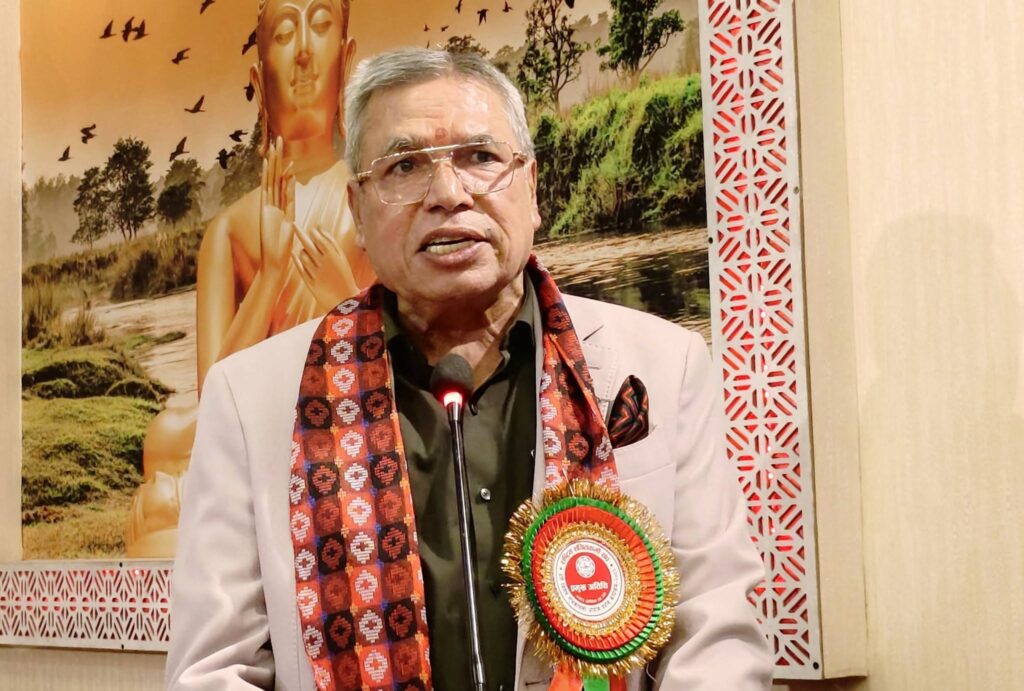
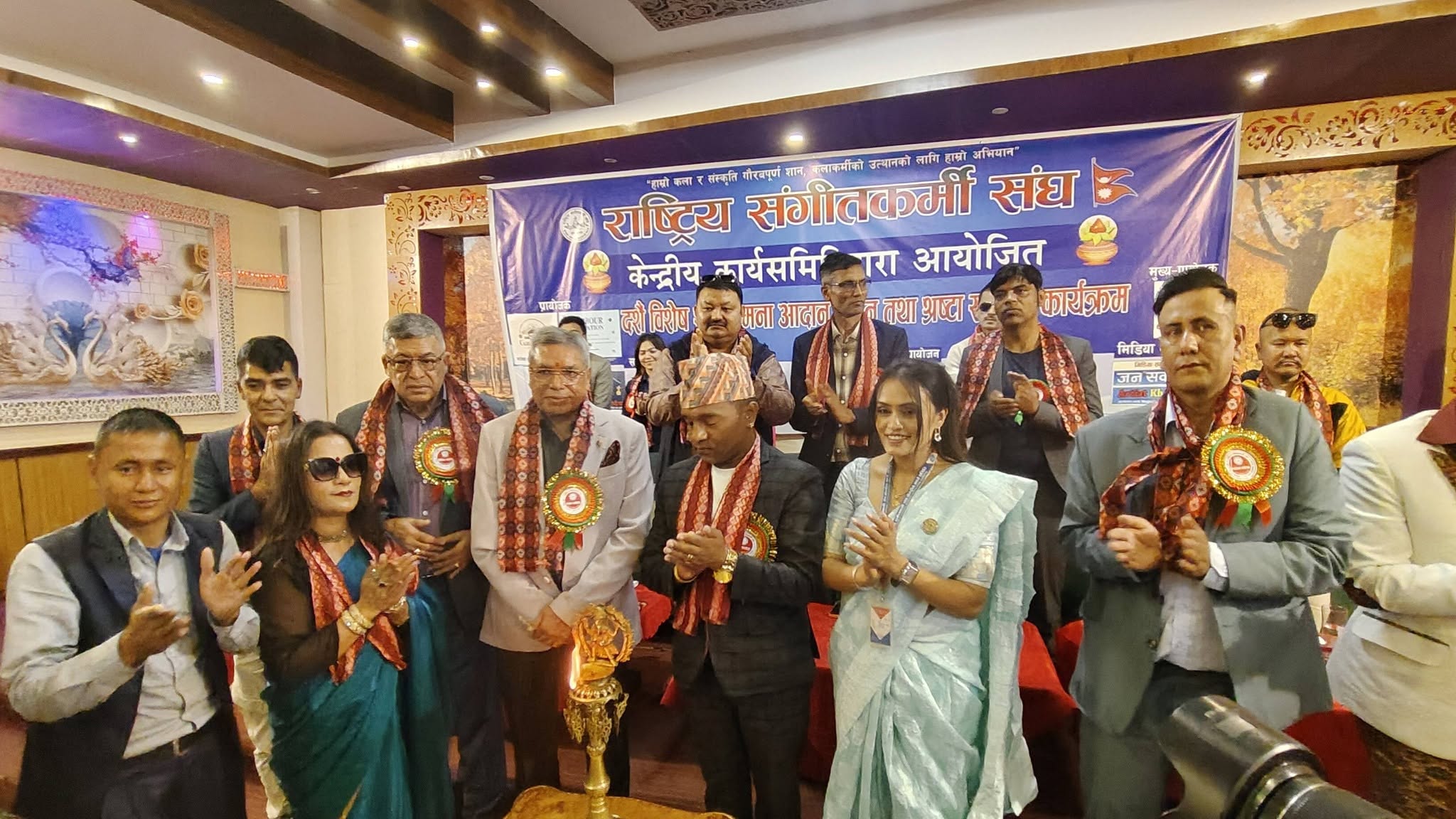
Speaking as the chief guest at a Dashain greetings exchange and creator appreciation programme organized by the National Musicians Association on Sunday, Agrawal said Nepali music should be developed beyond entertainment into an industry that supports national identity, cultural preservation and economic growth.
He stressed the need to create professional career opportunities for emerging musicians, particularly those from rural and remote areas, and provide them with platforms to reach national and international audiences.
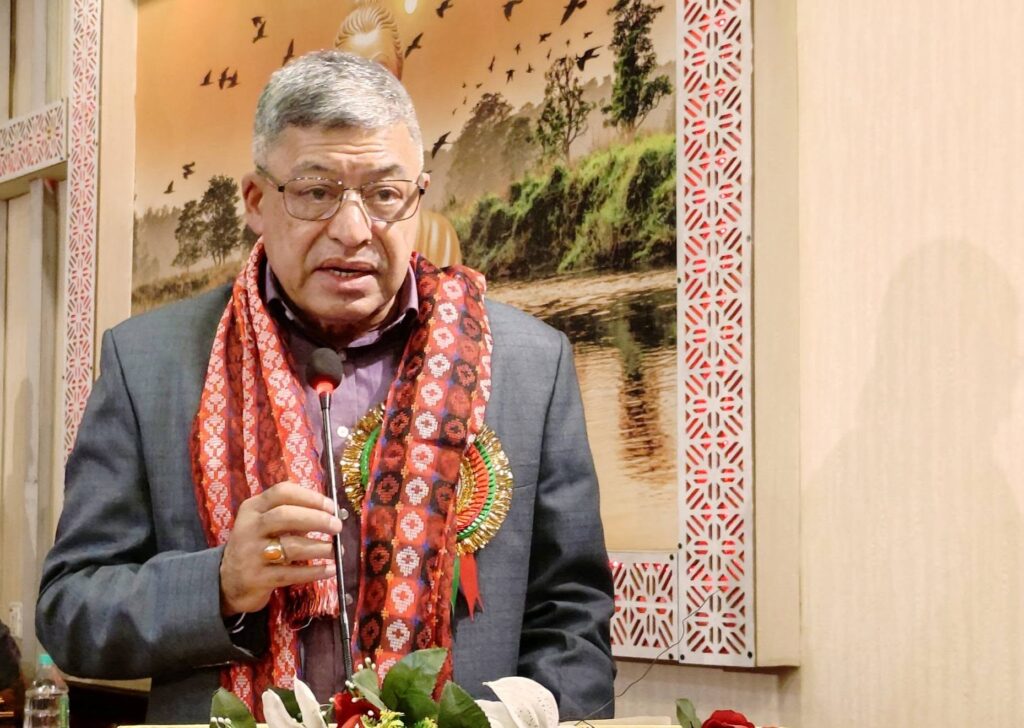
Agrawal said Nepali folk music, the distinctive sounds of the Himalayan and hill regions, cultural traditions of the Tarai, and contemporary Nepali songs collectively contribute to the country’s unique cultural identity. Despite limited resources, he praised artists who have successfully promoted Nepali music through digital platforms and international markets, adding that the next generation should build on their achievements.
Legal Protection and Fair Income for Artists
The FNCCI president emphasized that expanding Nepali music internationally requires protection of artists’ creative rights, fair remuneration and effective use of digital technology. He said music is not merely a form of entertainment but also an important foundation of Nepal’s cultural identity.
With the growth of streaming platforms, social media and artificial intelligence (AI), Agrawal noted that the music industry faces both new opportunities and challenges. He called for stronger legal and institutional mechanisms to address digital piracy, copyright violations and unauthorized use of creative works.
He also stressed the need for transparency in digital royalties and a system that enables artists to earn a fair income from their creations. According to him, the government and relevant stakeholders share responsibility for creating an environment in which artists can sustain their careers through their work.
Agrawal further highlighted the potential of linking Nepali music with tourism by promoting traditional music alongside Nepal’s natural beauty, cultural diversity and tourist destinations. Such efforts, he said, could expand the international reach of Nepali music while contributing to tourism, employment and economic activity.
He added that government agencies, the private sector, the music industry, media organizations and technology companies need to work together to strengthen the global presence of Nepali music.
Dashain Music and Social Unity
Highlighting the cultural significance of Dashain, Agrawal said festivals provide opportunities for family reunions, strengthening social relationships and preserving cultural traditions. Music played in villages and family gatherings during festivals helps keep alive people’s connection to their homeland, social harmony and cultural memories.
He also emphasized the role of artists in promoting hope, trust and positive messages at a time when society is experiencing frustration, dissatisfaction and division. According to Agrawal, artists can do more than reflect social realities; they can also encourage society to move towards a more positive direction.
He called for greater attention to arts, culture and national identity alongside physical infrastructure development, saying Nepal’s cultural heritage and creative industries deserve stronger support.
Agrawal concluded by extending Dashain and Tihar greetings to Nepali artists, musicians and their families, urging all stakeholders to work together for the growth of Nepali music, greater recognition of artists and the prosperity of the creative sector.
Malhotra Calls for Greater State Support for Arts and Culture
Speaking at the same programme as a distinguished guest, FNCCI Senior Vice-President Deepak Kumar Malhotra said Nepali art, culture, music and festivals play an important role in strengthening social harmony, mutual unity and national identity.
Malhotra stressed that the government should give priority to the development of the arts, literature and music sectors. He said cooperation among musicians, artists, media professionals and the private sector is essential to preserving and promoting Nepali culture and helping local talent gain recognition at both national and international levels.
He also highlighted the importance of collaboration between the government and private sector in achieving broader national development, economic prosperity and social transformation. Malhotra called for appropriate recognition of the contributions made by artists and creators.
The programme brought together artists, musicians, creators and social workers from various fields. Along with exchanging Dashain greetings, the event also recognized creators for their contributions.
The programme was chaired by Prakash Katuwal, central president of the National Musicians Association, with senior vice-president Ramesh Dulal serving as coordinator.