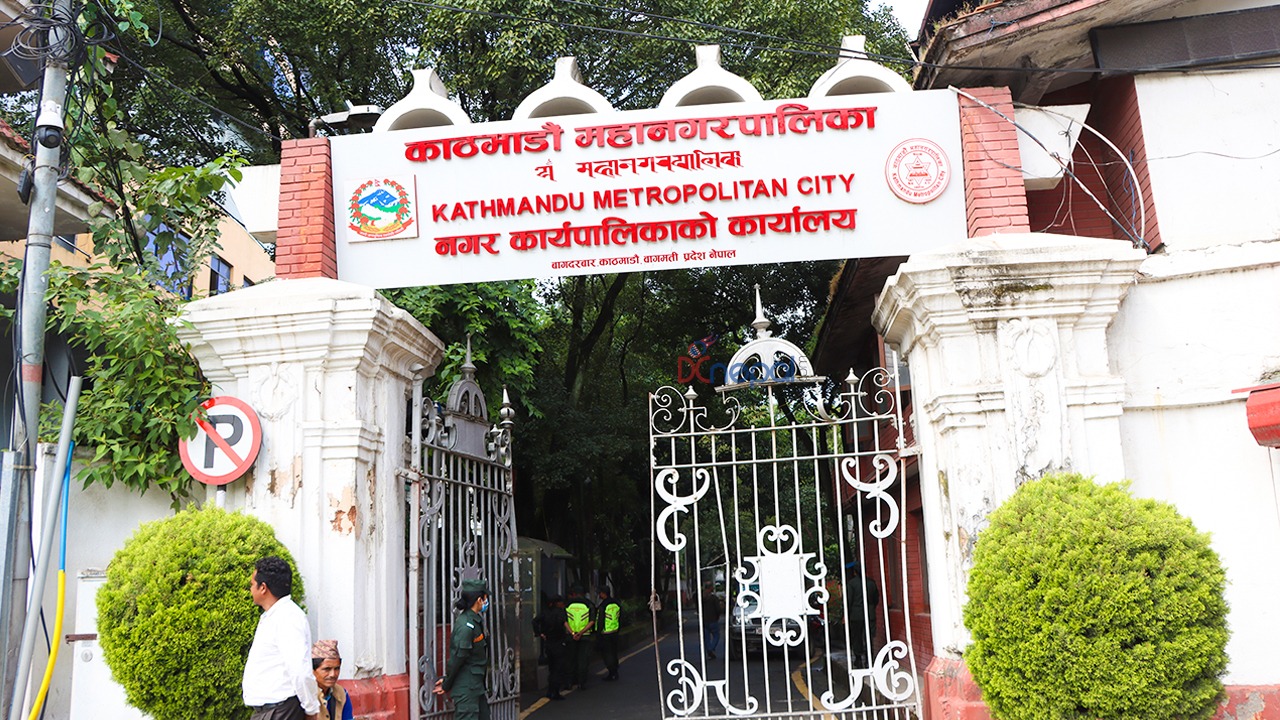
Kathmandu-Kathmandu Metropolitan City (KMC) has unveiled an ambitious policy and programme for the fiscal year 2083/84 under the theme “Cultural City, Prosperous Metropolis,” outlining a wide-ranging roadmap focused on governance reform, heritage preservation, digital transformation, infrastructure development, environmental sustainability and social welfare.
Acting Mayor Sunita Dangol presented the policy document during the 19th Municipal Assembly held at Rastriya Sabhagriha on Sunday.
Under the governance and administrative reforms, KMC plans to establish One Stop Service Centres at its central office and all ward offices to improve public service delivery. The metropolis will also launch an “Earn While You Learn” internship and fellowship programme for university students. A scientific Organisation and Management survey will be conducted to assess staffing needs, while existing municipal laws will undergo regular review and revision. Authorities have also announced a complete ban on outdoor advertisements considered harmful to the city’s aesthetics and public safety.
In the social sector, the metropolis has pledged targeted programmes for women, children, senior citizens, indigenous communities, persons with disabilities, Dalits, single women and LGBTQ+ individuals. Free home-based health and counselling services will be provided to citizens aged 75 and above, while nutrition allowances will be expanded for fully disabled residents. KMC also plans to broaden free ambulance services, explore bike ambulance operations, and establish a metropolitan hospital to provide specialised healthcare services. Mental health counselling centres and a dedicated call centre will also be introduced.Education and youth development remain key priorities. The city plans to establish special schools for children with autism, Down syndrome and other disabilities, as well as learning centres for senior citizens and homemakers. A “Creative Friday” programme will be launched in schools to promote STEAM education, skills training and sports participation. KMC has also announced plans to coordinate with the federal government to establish a university focused on language, culture, heritage, tourism and technology.
On environmental management, Kathmandu will be divided into seven waste management clusters supported by technology-based systems. A mechanised material recovery facility will be established at the Bancharedanda landfill site, while campaigns against single-use plastics will be intensified. An app-based waste management information system will also be introduced.Infrastructure development plans include the installation of smart street lighting systems, disaster resilience assessments of all buildings within the next five years and the incorporation of energy-efficient technologies in new constructions. The metropolis will provide a 20 percent discount on building permit fees for houses registered in the names of women, senior citizens and persons with disabilities. KMC also aims to develop a multi-storey parking facility on Nepal Airlines Corporation land near New Baneshwor to ease chronic parking problems.
Highlighting its “Cultural City” vision, the metropolis has pledged to protect, promote and digitally document historical and cultural heritage sites, including temples, monasteries, ponds, courtyards and traditional rest houses. Plans are also underway to organise an international Kathmandu Film Festival, traditional food festivals and cultural exhibitions. Homestay tourism in historic settlements will be promoted, while efforts will continue to secure UNESCO recognition for local festivals, traditional music and cultural practices.The city will also continue restoration works under the “Recharged Kathmandu” campaign, focusing on ponds, stone spouts and groundwater recharge systems. Infrastructure linked to the Indra Jatra festival, including residences for Ganesh and Bhairav deities, will also be constructed.
To improve revenue administration, KMC will introduce a Tax System Audit from the upcoming fiscal year. Property rental and business tax structures will be revised, while a single taxpayer identification number system and mandatory registration of rental properties will be enforced.The policy also places strong emphasis on digital governance. A GIS-based digital address system and an integrated KMC Dashboard will be developed for real-time monitoring of development projects, revenue collection, disaster management and public complaints. Municipal systems will be integrated with national identity cards, land records and digital payment platforms.
Consumer protection measures include stricter food quality monitoring, regulation of junk food and alcohol sales, improved meat production standards and a metro-managed home delivery system for pesticide-free vegetables. The metropolis also plans to manage stray dog and monkey populations through humane and scientific methods.Concluding her address, Acting Mayor Dangol called on citizens, civil society, all levels of government and the private sector to work collectively to ensure the successful implementation of the proposed policies and programmes.