As the country is recovering from the devastating Bhotekoshi flash flood, Nepal appeals to travellers not to abandon their plans to visit destinations that remain safe and accessible
Kathmandu – Nepal, one of the world’s most captivating travel destinations, is navigating a difficult period after the catastrophic Bhotekoshi flash flood of August 26. The disaster caused deaths, destruction and displacement in several parts of the country, while triggering concern among international travellers and prompting some to cancel or reconsider planned visits.
Those concerns are understandable. Images and reports of the devastating floods and landslides have travelled far beyond Nepal’s borders, with some international coverage giving the impression that the entire country has been affected or that travelling to Nepal is generally unsafe.
The reality, however, is more nuanced.
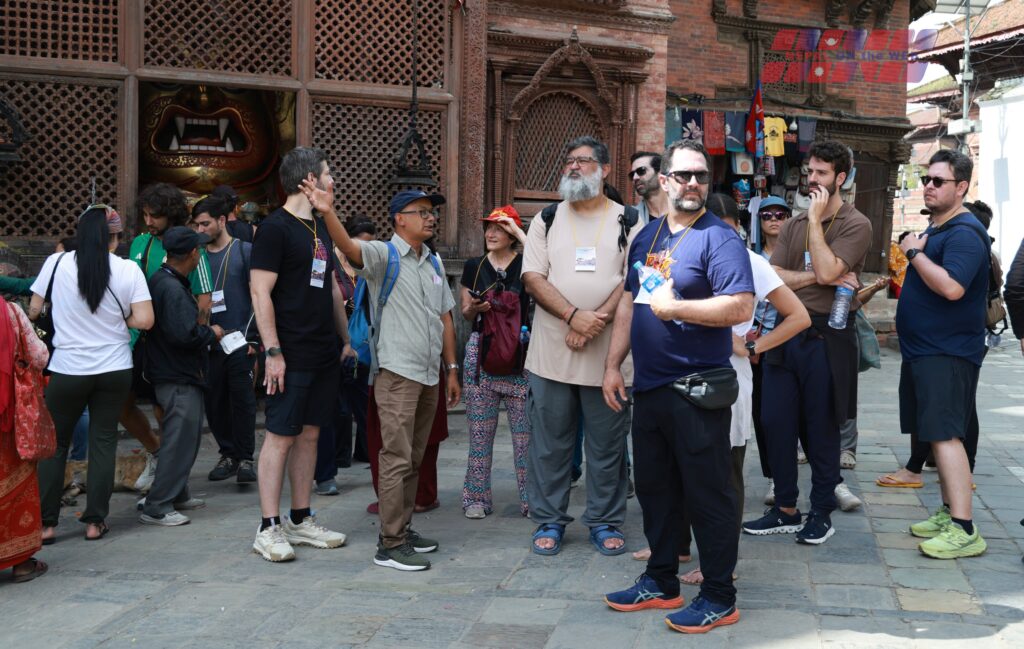
The August 26 disaster was concentrated in Rasuwa, particularly around the Bhotekoshi corridor near the Nepal-China border, with severe impacts extending into parts of downstream districts including Nuwakot, Dhading, Chitwan and Gorkha. Many other parts of Nepal remain largely unaffected, and Kathmandu and numerous major tourism destinations continue to operate and welcome visitors.
Nepal’s Culture, Tourism and Civil Aviation Minister Khadak Raj Paudel ‘Ganesh’ has appealed to international travellers to continue with their plans where it is safe to do so, saying the majority of the country’s tourism destinations remain accessible despite the calamity.
The appeal comes at a particularly difficult moment for an industry that supports millions of livelihoods directly and indirectly.
For Nepal, tourism is not merely about hotels, trekking agencies, restaurants or airlines. It sustains porters in the mountains, guides in historic cities, drivers on long-distance routes, artisans, farmers, shopkeepers and countless families whose incomes depend on visitors.
A sudden collapse in international arrivals can therefore have consequences far beyond the airport arrivals hall.
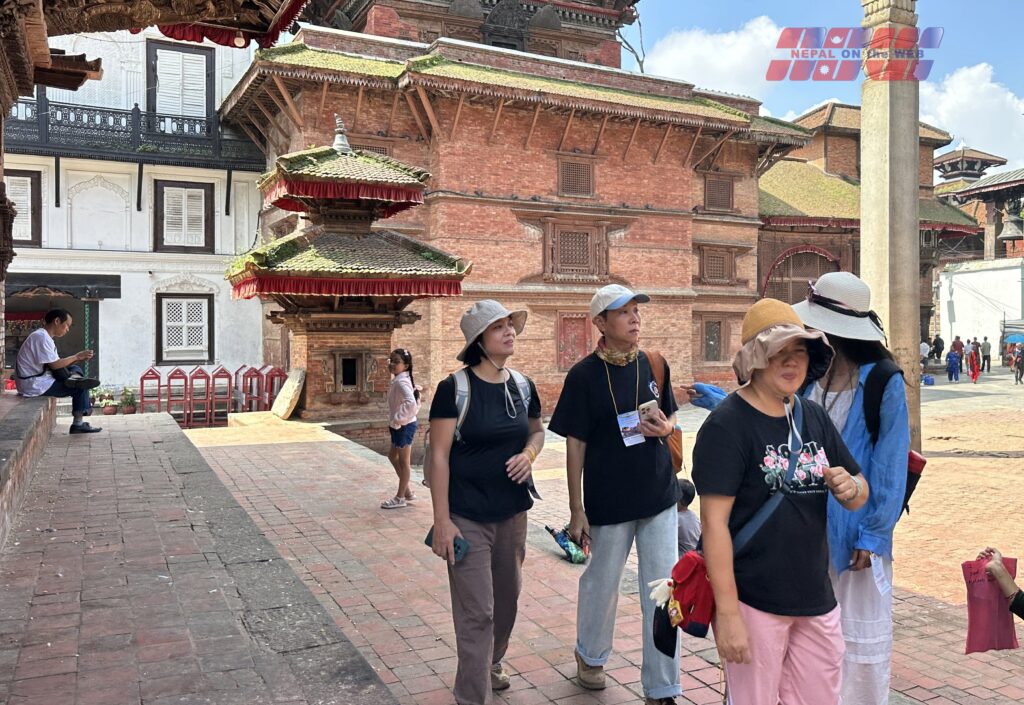
A country larger than the disaster
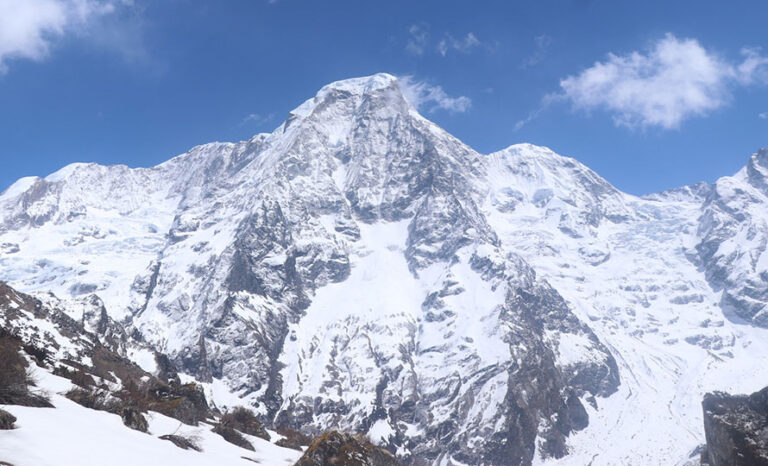
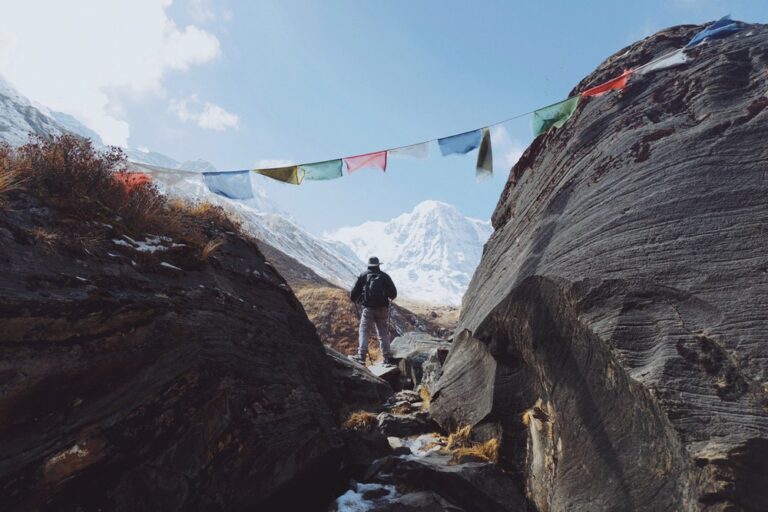
Nepal’s mountains have long drawn travellers from across the world. But its appeal extends well beyond the Himalayas.
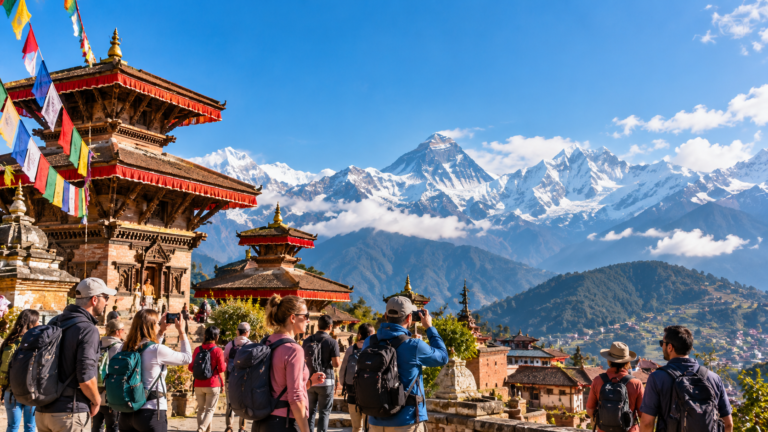
From the ancient cities of the Kathmandu Valley to the forests of the Tarai, from mountain trails and high-altitude landscapes to centuries-old temples, monasteries and traditional communities, Nepal offers an extraordinary diversity within a relatively small country.
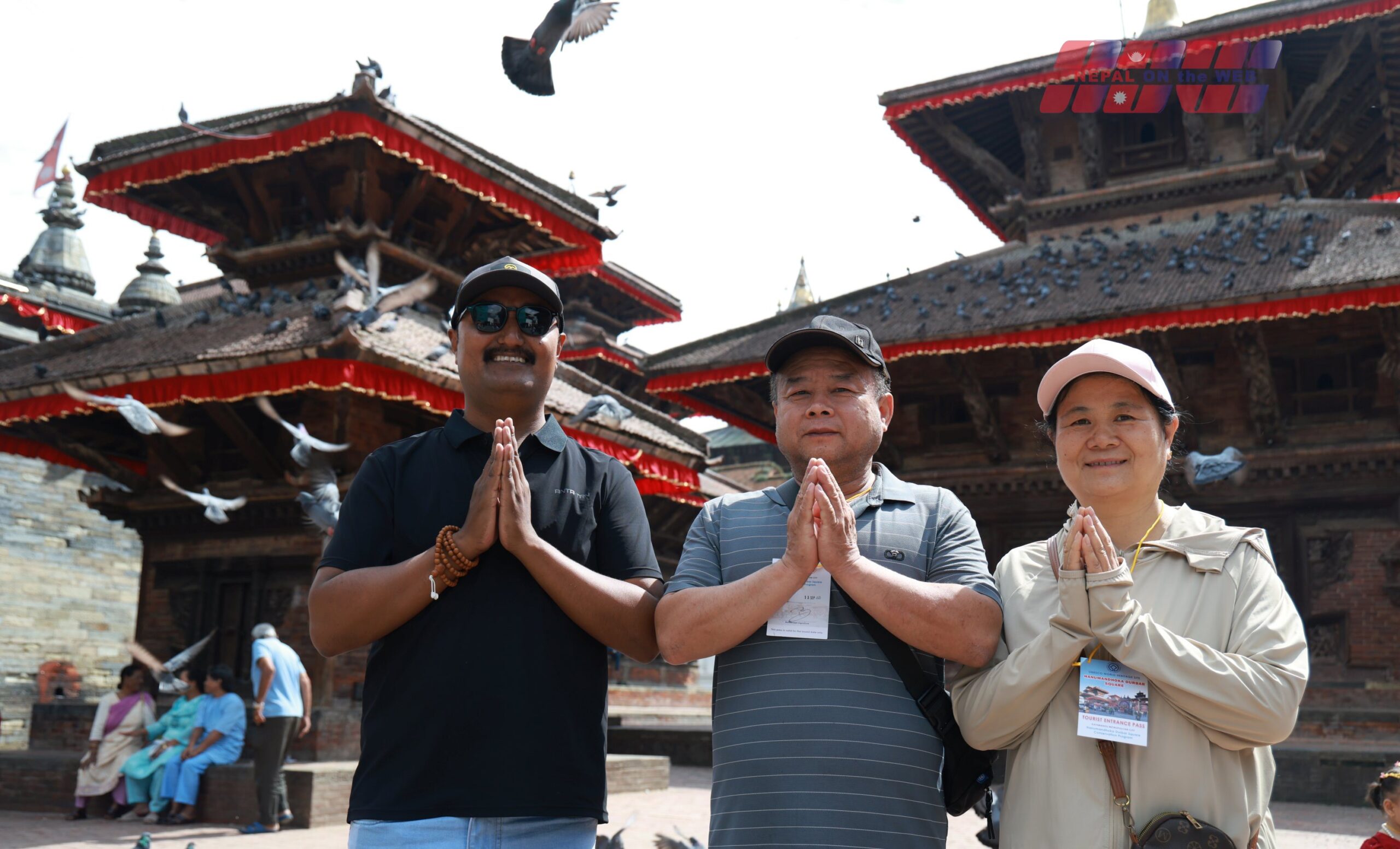
Visitors can explore historic squares, encounter the Living Goddess Kumari, sample authentic Nepali cuisine and experience traditions that remain deeply embedded in everyday life.
Kathmandu, meanwhile, continues to function as the country’s principal gateway for international visitors. Many of the country’s major tourism sites remain open, even as authorities and communities continue rescue, recovery and reconstruction efforts in the disaster-affected areas.
That distinction matters.
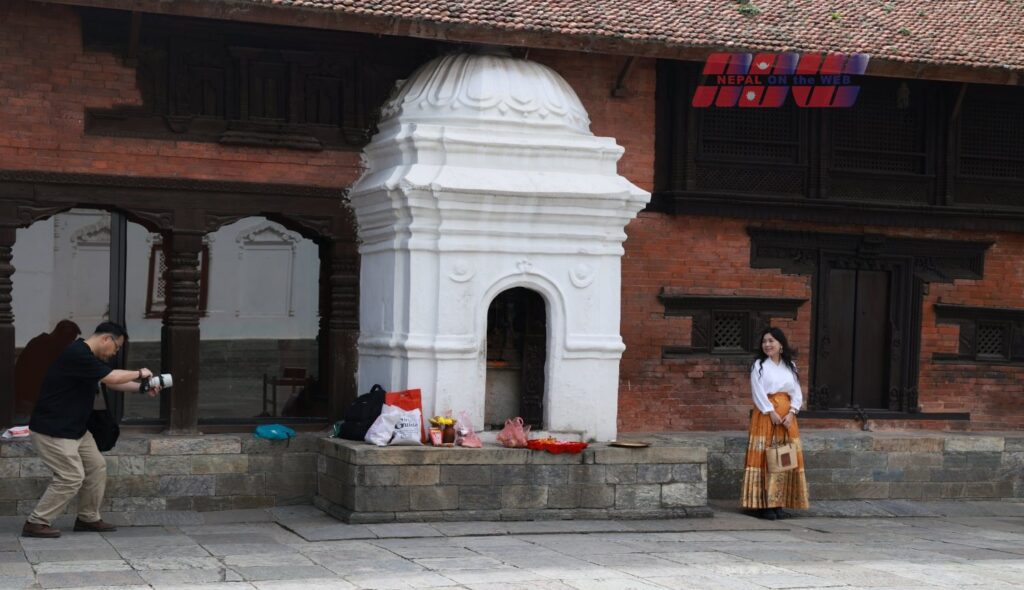
A responsible traveller does not need to choose between ignoring Nepal’s suffering and staying away from the entire country. Instead, travellers can check conditions for their particular destination, follow official safety advice and make informed decisions about where and when to travel.
More than a holiday
In ordinary circumstances, travelling to Nepal is about adventure, discovery and personal experience.
At a time of national hardship, however, a responsible visit can carry another meaning.
Tourists who visit safe destinations spend money with local businesses. They stay in hotels and guesthouses, eat at restaurants, hire guides and drivers, buy handicrafts and use local services. That spending helps keep tourism-dependent businesses operating and provides income to communities trying to recover from a difficult season.
This does not mean travelling into affected areas simply to witness destruction. Disaster zones should be approached only by authorised responders, journalists or others with a legitimate purpose and appropriate permission.
For ordinary travellers, solidarity can be much simpler: visit safely, respect local communities, support local businesses and remain sensitive to the grief being experienced by families who have lost loved ones.
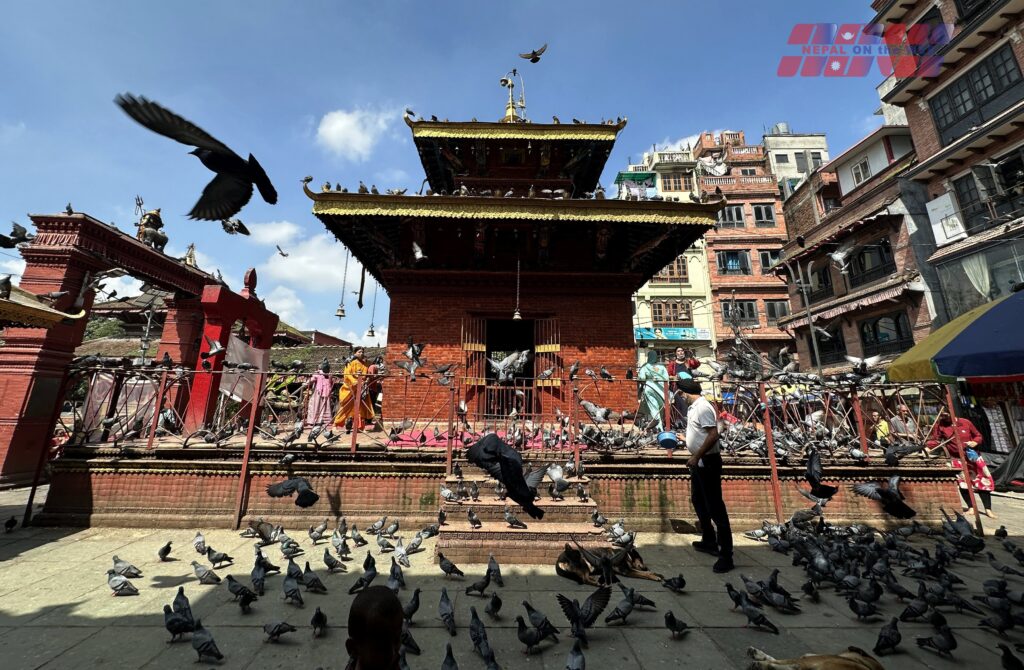
A festive Nepal awaits
The timing is also significant. Nepal is entering one of its most vibrant periods of the year, beginning with Teej and followed by major festivals such as Indrajatra, Dashain and Tihar.
For international visitors, the festive season offers an opportunity to experience a side of Nepal that cannot be captured in a brochure.
Teej fills communities with music, dance and devotion. Indra Jatra is one of Kathmandu’s most vibrant festivals, chariot procession of Living Goddess Kumari, Lord Ganesh and Bhairav, blending ancient traditions, devotion, dance and elaborate processions. Dashain brings families together across the country, while Tihar transforms homes and neighbourhoods with lights, colours and rituals celebrating relationships, prosperity and the natural world.
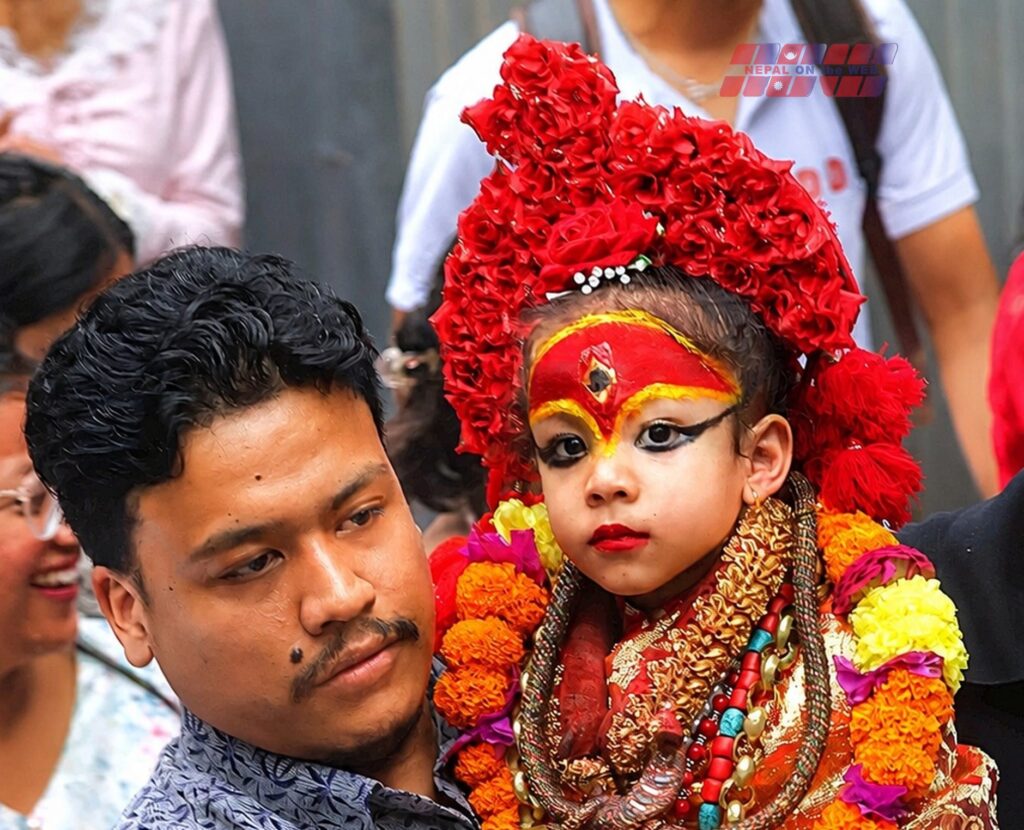
These celebrations are not staged attractions. They are living traditions, passed from one generation to another.
Experiencing them as a respectful visitor can provide a deeper understanding of Nepal and its people at a time when the country needs both empathy and economic resilience.
An invitation with a message
Nepal is not asking travellers to ignore what happened on August 26.
Nor is it asking visitors to enter places where conditions remain unsafe.
It is asking the international community to see the full picture.
Some communities are facing an enormous humanitarian crisis and require urgent assistance. At the same time, much of Nepal remains open, functioning and ready to welcome visitors.
For those whose destinations are safe and whose travel plans can proceed responsibly, cancelling a trip solely because of the perception that the entire country has been devastated may unintentionally deepen the economic pain faced by communities far from the disaster zone.
A visit cannot rebuild a destroyed road or bring back someone who has been lost. But tourism can help keep livelihoods alive.
And sometimes solidarity begins with something as simple as showing up.
Nepal has endured earthquakes, pandemics, political upheavals and natural disasters before. Its resilience has repeatedly been rooted in its communities and in the relationships it has built with people around the world.
Today, the country is hurting. Families are grieving, communities are rebuilding and rescuers and authorities continue to deal with the consequences of the floods and landslides.
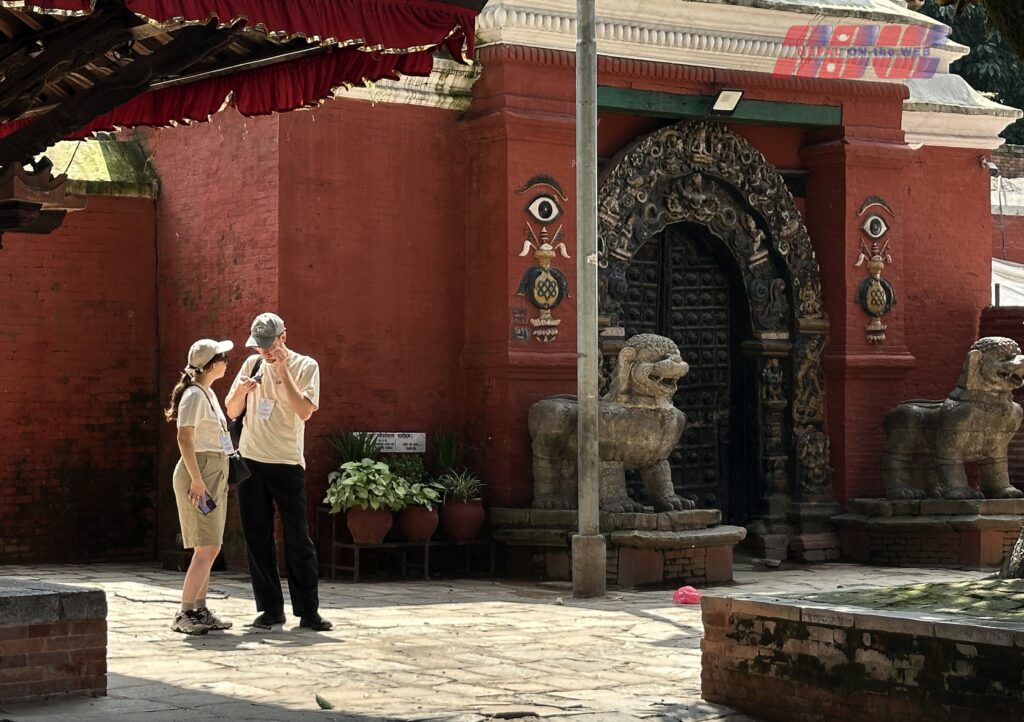
But Nepal is not closed.
Its mountains remain. Its historic cities remain. Its cultures and traditions remain. Its people remain ready to welcome the world.
For travellers able to come safely and responsibly, visiting Nepal now can be more than a holiday. It can be a quiet expression of solidarity—a way of telling a country in recovery that the world has not turned away.