Tamu Lhosar: Welcoming the New Year with Tradition, Culture, and Community Spirit
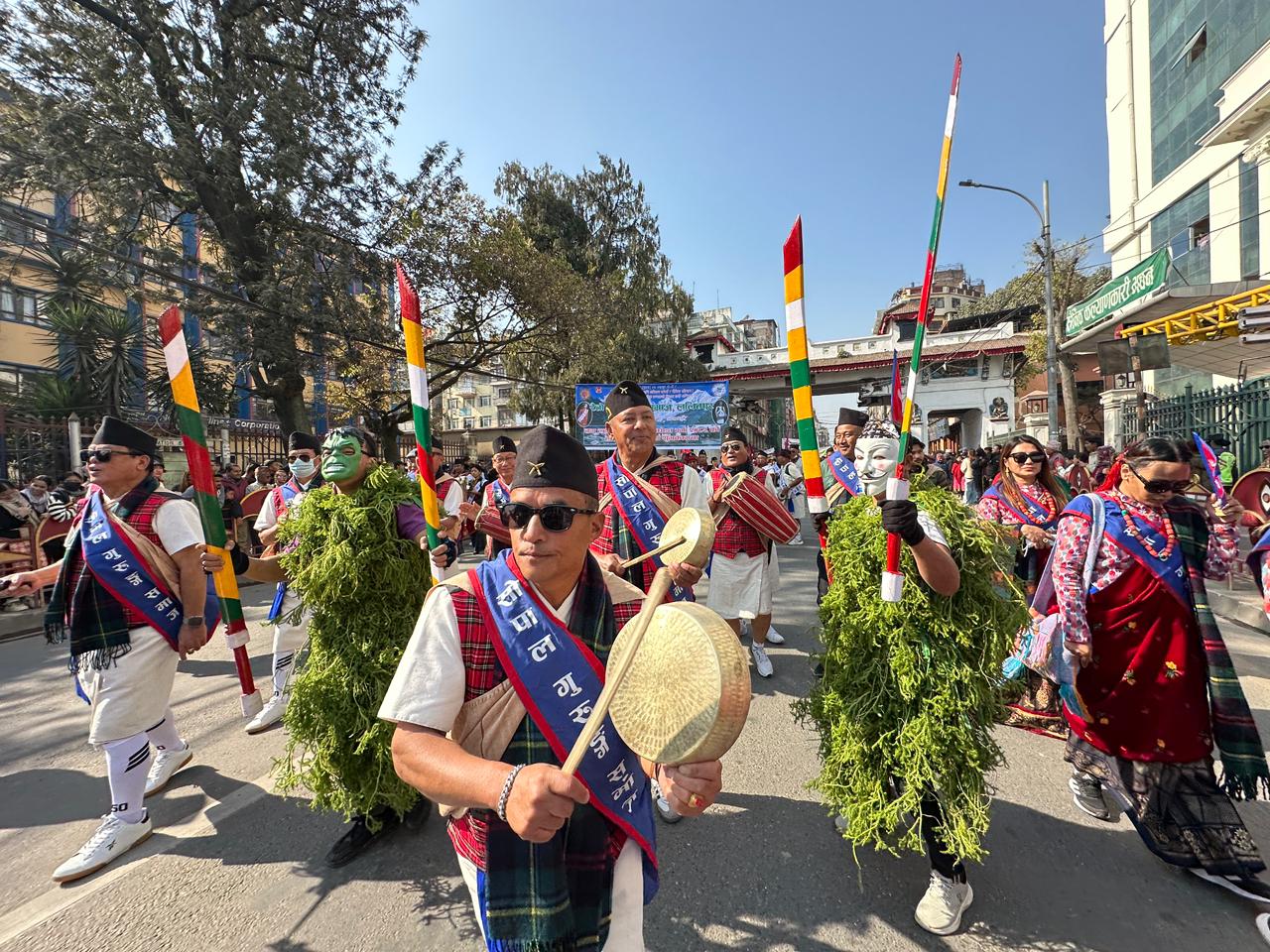
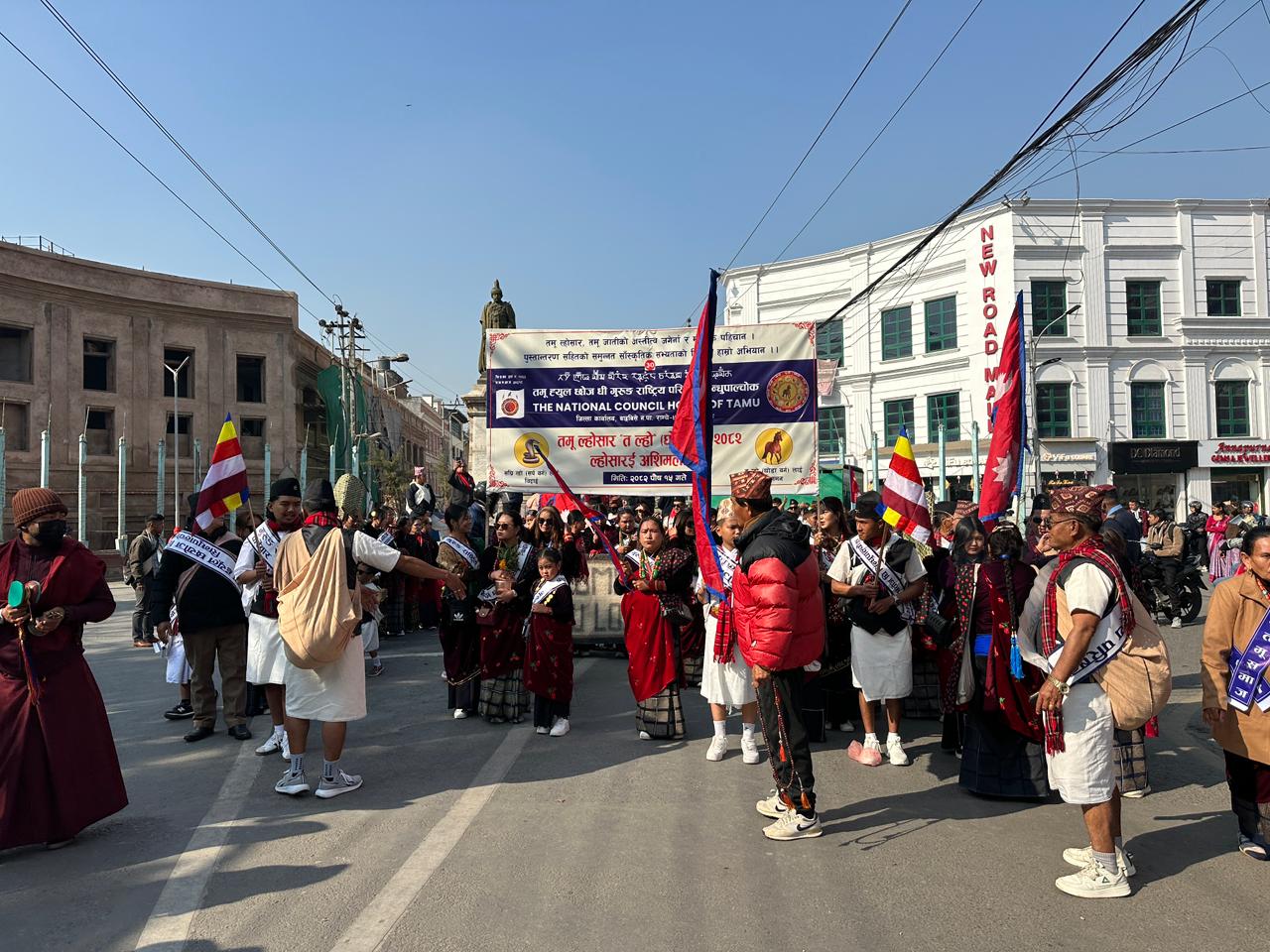
Every year in December, as winter settles over the hills and valleys of Nepal, the Gurung community comes together to celebrate Tamu Lhosar, their traditional New Year. Rooted in the lunar calendar and closely linked with nature, sunlight, and seasonal change, Tamu Lhosar is more than a calendar transition. It is a vibrant cultural festival that reflects identity, gratitude, renewal, and collective joy. In 2025, the celebration once again illuminated homes, monasteries, and public spaces, most notably Kathmandu’s Tundikhel, where thousands gathered to observe and enjoy the festivities.
Meaning and Timing of Tamu Lhosar
The word Lhosar is derived from two Gurung terms: Lho, meaning “year,” and Sar, meaning “change.” Together, they signify the moment when one year ends and another begins. For the Gurung community, this change is observed on the 15th day of the Nepali month of Poush, which usually falls in late December.
The timing of Tamu Lhosar is deeply connected to geography and climate. In Gurung-dominated districts such as Lamjung, Gorkha, Tanahun, Syangja, Manang, Kaski, and Parbat, the sun’s warmth reaches settlements earlier during winter. This natural phenomenon is believed to mark an auspicious time for renewal, which is why the Gurungs celebrate their Lhosar earlier than other Himalayan communities. By contrast, Tamang communities observe Sonam Lhosar in Magh, while Sherpas celebrate Gyalpo Lhosar in Falgun, reflecting later seasonal changes in their regions.
Rituals, Homes, and Monasteries Come Alive
Tamu Lhosar preparations begin well before the day itself. Monasteries are decorated with colorful prayer flags and traditional ornaments, creating an atmosphere of festivity and spiritual reflection. Families visit monasteries to receive blessings from monks, seeking progress, prosperity, good health, and happiness in the year ahead.
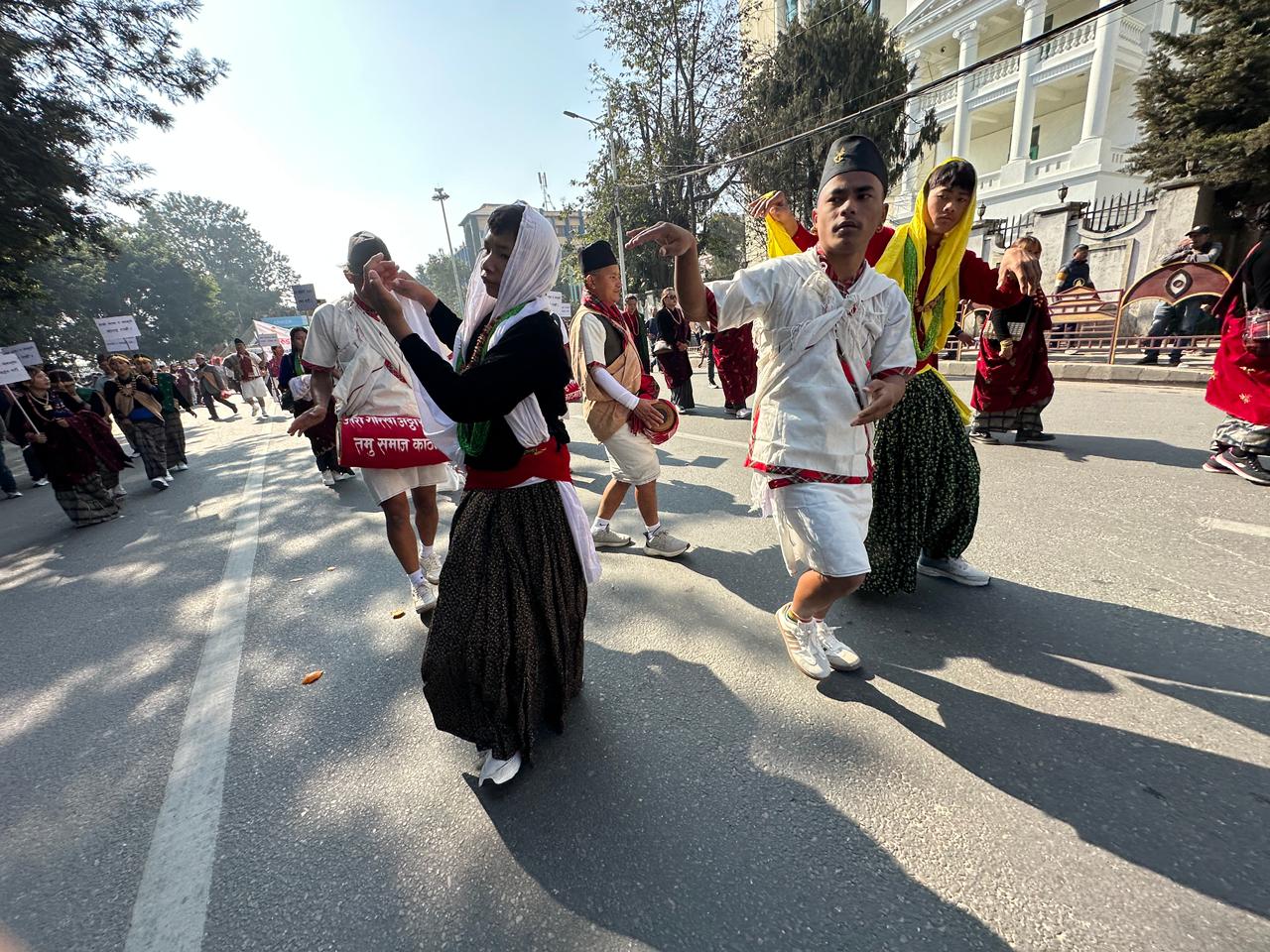
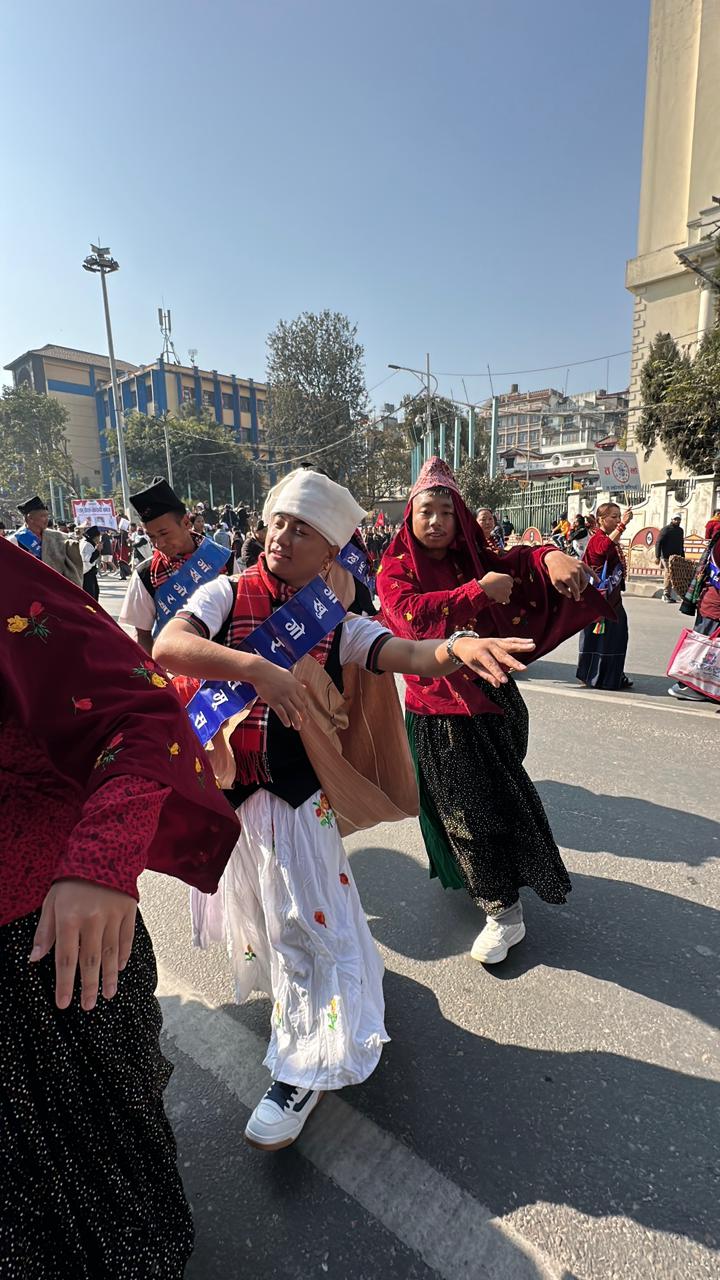
At home, a flag is raised on the rooftop of each household, symbolizing hope, protection, and continuity. Families organize feasts and invite relatives, neighbors, and friends, reinforcing social bonds. Traditional Gurung food is prepared in abundance, accompanied by music, singing, and cultural dances that continue late into the evening. The exchange of greetings and gifts adds warmth to the occasion, making it both intimate and communal.
The Lho Cycle and Symbolic Renewal
A distinctive aspect of Tamu Lhosar is the Gurung system of dividing the year into 12 animal cycles, known as Lho. Unlike the more widely known Chinese zodiac, the Gurung Lho includes animals such as the eagle (Garuda), serpent, horse, sheep, monkey, bird, dog, deer, mouse, cow, tiger, and cat.
Each year, the community bids farewell to one Lho and welcomes the next. In 2025, the Gurung community marked the end of the Snake cycle and welcomed the Horse cycle. This transition is symbolic, representing movement, strength, and fresh energy. The change of Lho provides a moment for reflection on the past year and renewed determination for the future.
Public Celebrations at Tundikhel and Beyond
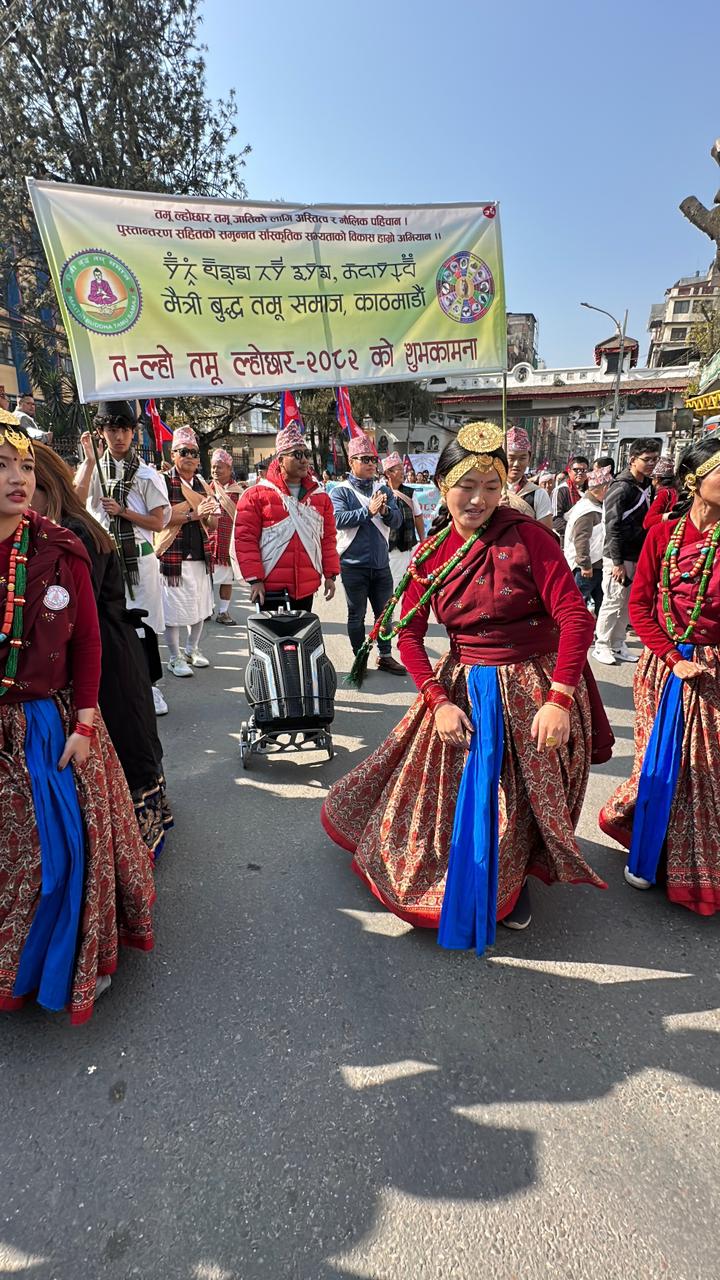
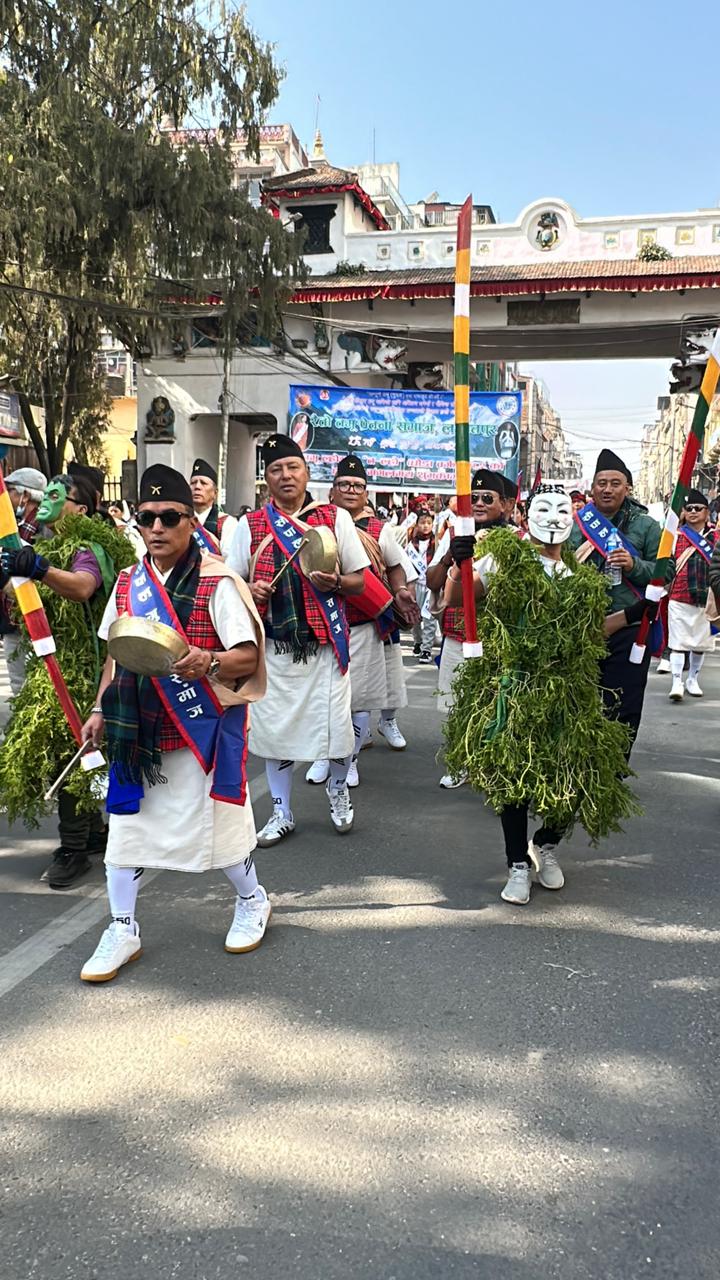
In Kathmandu, Tamu Lhosar is celebrated on a grand scale. A colorful procession featuring traditional Gurung attire, musical instruments, and dance begins from heritage areas such as Basantapur Durbar Square and moves toward Tundikhel, the capital’s historic open ground. The procession draws spectators from all communities, turning the event into a shared cultural experience.
At Tundikhel, formal celebrations include cultural performances, speeches, and communal rituals. National leaders and dignitaries often attend, highlighting the festival’s cultural importance. In 2025, the government declared a public holiday for Tamu Lhosar, enabling wider participation and recognition of Nepal’s cultural diversity.
A Festival of Identity and Unity
While Tamu Lhosar is the New Year of the Gurung community, its significance extends beyond one group. It reflects Nepal’s broader Himalayan heritage and the coexistence of multiple calendars, traditions, and belief systems. The festival promotes respect for indigenous cultures and strengthens inter-community understanding.
Through rituals, music, dance, and shared meals, Tamu Lhosar reinforces a sense of belonging and continuity. It connects generations, reminding younger Gurungs of their roots while offering others an opportunity to observe and appreciate a rich cultural tradition.
Celebrating the Past, Embracing the Future
As the old year is bid farewell and a new one welcomed, Tamu Lhosar stands as a celebration of resilience, harmony with nature, and collective optimism. Whether observed in remote hill settlements or in the heart of Kathmandu, the festival captures the enduring spirit of the Gurung community. By observing and enjoying Tamu Lhosar, Nepal as a whole celebrates its cultural depth, diversity, and shared humanity as it steps forward into a new year.