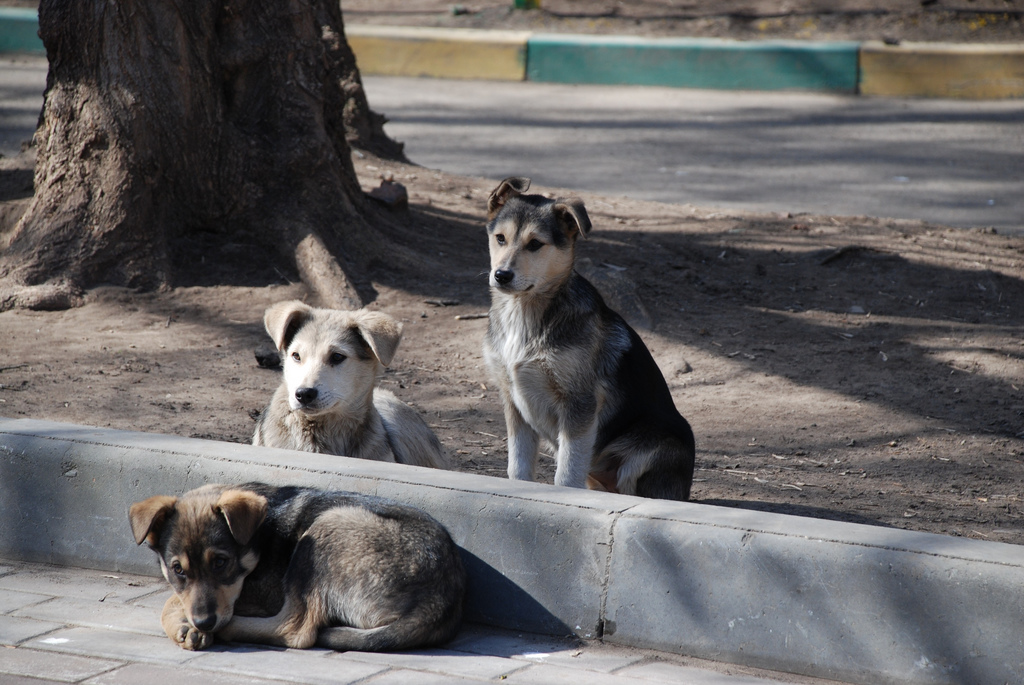
Kathmandu Metropolitan City (KMC) has intensified its community dog management efforts with a large-scale sterilization and rabies vaccination campaign across all 32 wards. The initiative aims to address rising concerns related to stray dog population growth, public health risks, and animal welfare while ensuring a more humane approach to urban animal management.
The program officially commenced after KMC issued a public call for proposals on 22 Ashoj 2082, inviting organizations to assist with mass sterilization of community dogs and cats and the administration of anti-rabies vaccines. Following this process, five organizations were selected and assigned to specific wards. These organizations have now begun implementing the campaign, with priority given to dog sterilization due to their higher population and human interaction rates.
According to Nurnidhi Nyaupane, Chief of KMC’s Agriculture and Livestock Department, the campaign reflects the city’s responsibility toward all living beings. He emphasized that Earth is a shared home for both humans and animals, and thus, programs like this should be carried out with compassion rather than commercial intent. Nyaupane urged all partner organizations to strictly adhere to ethical veterinary standards and ensure proper post-surgery care before releasing animals back into their communities.
The current phase of the program plans to sterilize 4,000 dogs with an estimated budget of Rs 10 million. An additional phase to sterilize another 4,000 dogs is expected if further funding is approved later in the fiscal year. The agreement remains valid until 20 Asar 2083 (mid-2026), covering continuous operations and monitoring.
To ensure accountability and transparency, the organizations must conduct all activities under the supervision of ward officials or authorized staff. They are also required to maintain detailed documentation, including photographs of vaccinated and sterilized animals. Each animal is to be identified with ear notching or green markings to avoid duplication. All organizations are responsible for arranging their own surgical supplies, medicines, and vaccines.
Strict penalties have been enforced to maintain integrity in the process. Any organization found claiming payment for unperformed procedures will face a fine of Rs 100,000 per animal, cancellation of the contract, and potential deregistration. The payment structure has been set at Rs 2,500 per animal, covering both sterilization and vaccination, and will be disbursed in two installments, 80 percent after completion of primary work and the remaining 20 percent upon submission of quarterly reports.
In previous fiscal years, KMC has sterilized thousands of animals, 5,500 in FY 2023/24 and 670 in FY 2024/25, and vaccinated over 16,000 against rabies annually. By continuing this initiative, the metropolitan city aims to create a cleaner, safer, and animal-friendly Kathmandu, balancing public health priorities with humane treatment of community animals.