
Kathmandu:Tensions have escalated in Kathmandu after the government began clearing squatter settlements from Saturday morning, triggering protests from residents who say they are being displaced without any alternative housing arrangements.
Dozens of families living along riverbanks and informal settlements have started removing their belongings, while others have taken to the streets in anger, accusing authorities of acting without proper planning or consultation. The situation remains tense in several areas, with visible frustration among affected communities.
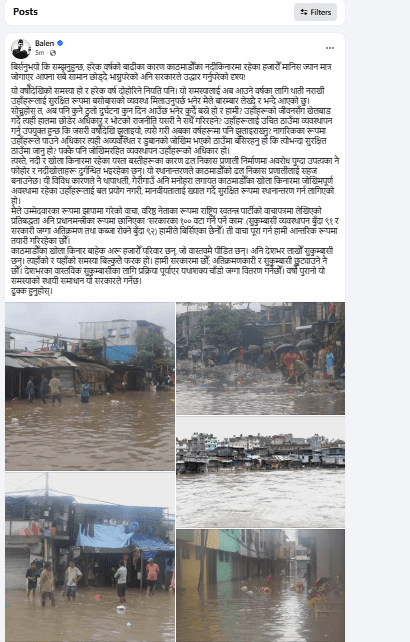
Prime Minister Balen Shah, however, has defended the move, calling it a necessary step toward resolving a decades-old problem. In a statement shared on social media, he assured that the government is committed to identifying “genuine squatters” and providing them with land through a proper process as soon as possible.
“We will ensure land distribution to real squatters following due procedures. This government will deliver a permanent solution to a long-standing issue. Please remain assured,” Shah stated.
He also emphasized the need to differentiate between actual landless citizens and encroachers, noting that millions across the country fall into the squatter category and require systematic management.
According to the Prime Minister, the decision was also driven by recurring disasters faced by riverbank settlements. Each year, floods force thousands of families to flee with little more than their lives, abandoning their homes and belongings while relying on government rescue efforts.
“Is it not time we address a problem that repeats every year? People living along rivers are forced to run for safety during floods, losing everything. This cannot continue,” he said, stressing that the government is acting proactively to prevent future tragedies rather than reacting after disasters strike.
Despite these assurances, critics argue that forced evictions without immediate rehabilitation plans could deepen the humanitarian crisis. Questions are also being raised about the transparency of the identification process and the timeline for resettlement.
As demolition preparations continue across various parts of Kathmandu, the clash between policy and people’s immediate survival needs is becoming increasingly visible turning the long-standing squatter issue into a pressing national debate.