Kathmandu-The preliminary report of the government-led “National Nutrition Assessment Campaign” has revealed that the condition of child malnutrition in Nepal has worsened compared to previous years.According to Lilabikram Thapa, Chief of the Nutrition Section under the Department of Health Services at the Ministry of Health and Food Hygiene, severe acute malnutrition has been found in four percent of children this time, whereas the rate was only one percent previously. Thapa stated that the nationwide implementation of the campaign this year helped identify a larger number of malnourished children than before.
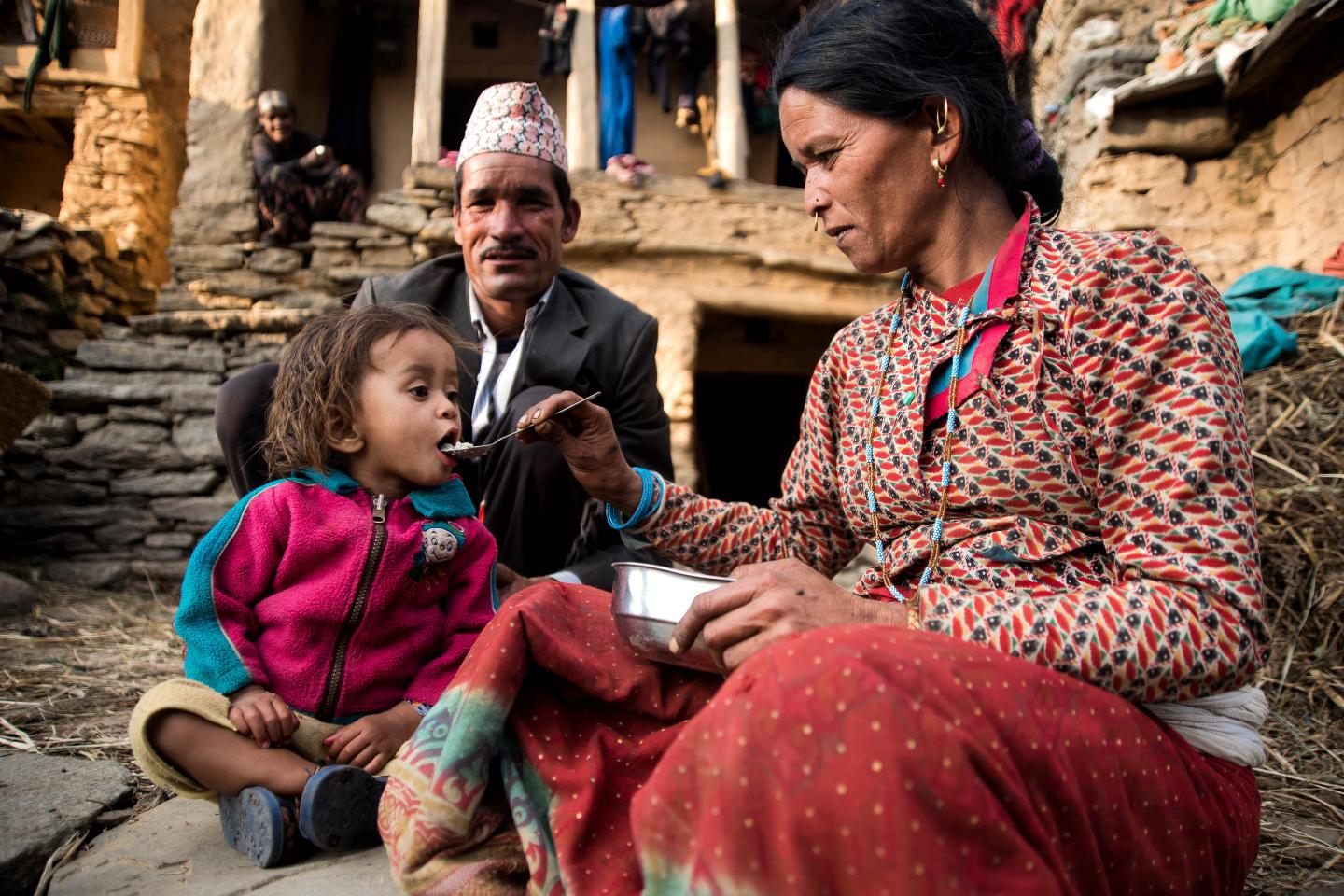
Severe acute malnutrition has been found especially in Karnali, Sudurpashchim, and Madhesh provinces. Children suffering from this condition are usually extremely thin, weak, and visibly underweight with protruding ribs. Children diagnosed with severe acute malnutrition are provided with “ready-to-use therapeutic food.” If their condition does not improve, both the mother and child are admitted to one of the 25 rehabilitation centers across the country for regular treatment and nutritious meals, Thapa said.Similarly, 12 percent of children were found to be suffering from moderate acute malnutrition. Children with moderate malnutrition are generally underweight for their age, thin, and physically weak.
Due to a shortage of resources, the “National Nutrition Assessment Campaign” will now continue until the end of Jestha (mid-June). The government had first launched the campaign from Baisakh 15 to 30 (late April to mid-May). However, because of a lack of height and weight measuring equipment, the campaign could not be conducted in all local municipalities, leading to an extension of the program.The government aims to assess the nutritional status of nearly 2.2 million children aged between six months and 59 months in order to identify and treat acute malnutrition in time. Under the campaign, female community health volunteers and nearby health institutions have been measuring the mid-upper arm circumference of children to evaluate their nutritional condition.