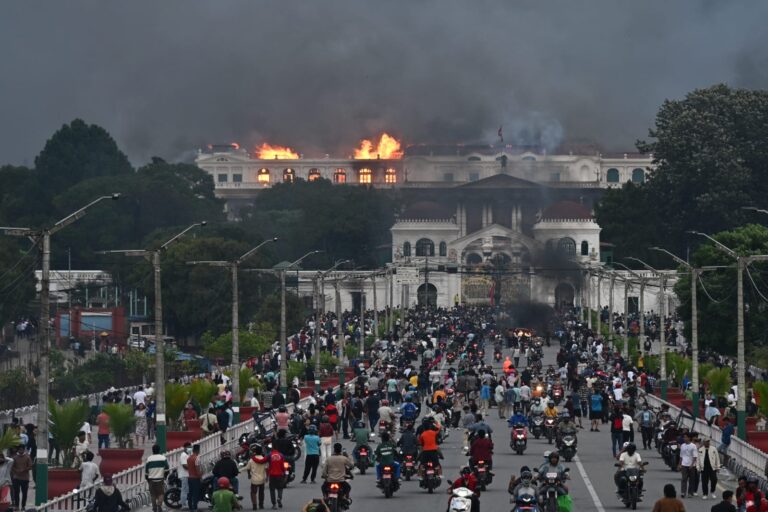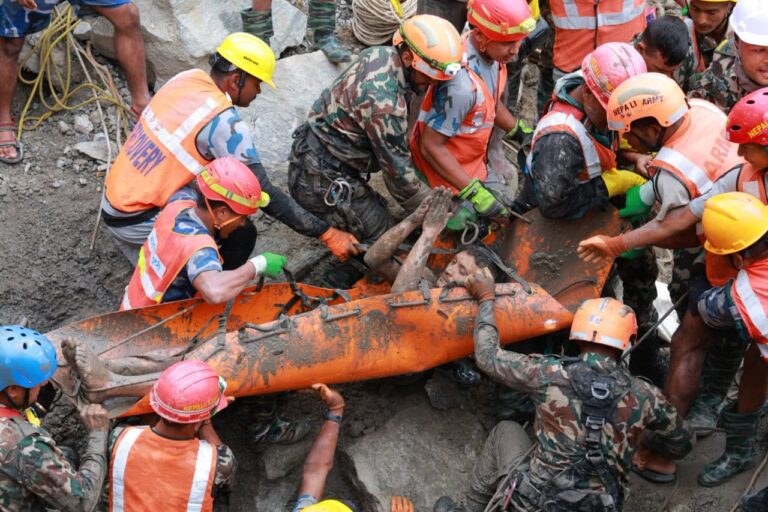
The rain in Kathmandu does not fall, it downpours. Outside Geetanjali Shrestha’s window in the monsoon season, the sky is a bruised violet, unleashing a relentless torrent that has transformed her local alleyway into a chocolate-colored river. Down the road, the Bagmati bursts its banks, swamping basements and choking traffic. Yet inside her home, she stands over her kitchen sink, staring at a dry, hollow tap that responds with nothing but a mocking hiss.
 This is the absurd paradox of Kathmandu’s monsoon. The city is drowning, but it is dying of thirst.
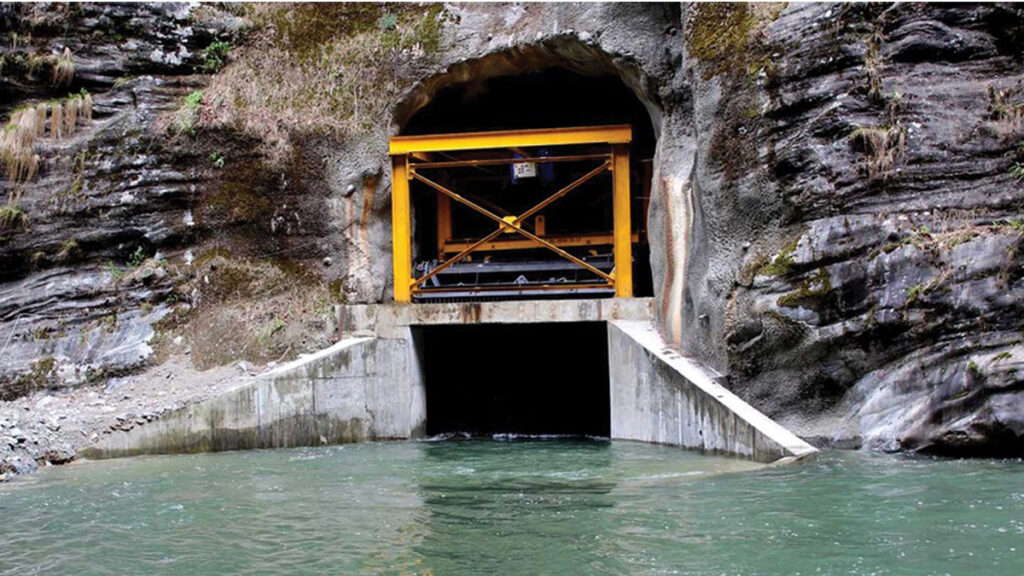
On July 2, 2026, the Kathmandu Upatyaka Khanepani Limited (KUKL) abruptly suspended water delivery from the Melamchi Drinking Water Project. A flash flood upstream in Sindhupalchok had slammed into the project’s temporary intake dam, rendering the water too turbid and laden with sediment to treat. It is a cinematic, recurring nightmare. Every year, the rains come, the temporary headworks collapse or choke, and the 26-kilometer tunnel is slammed shut to prevent catastrophic damage.
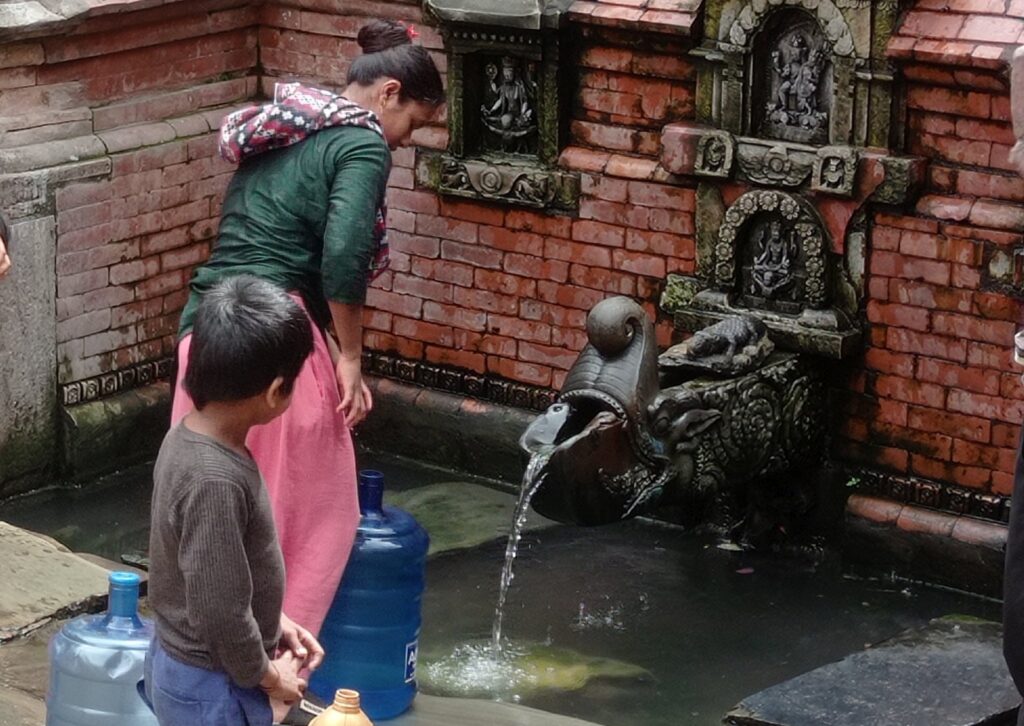
But while the suspension of Melamchi’s 170 million liters of daily water is predictable, the city’s contingency plan remains completely non-existent. “We are hostages to the clouds,” Sabina Rai, a local resident, says, her hands raw from scrubbing clothes in stored rainwater. “When it doesn’t rain, there is no water because of the drought. When it does rain, they shut down the project because of the floods. What are we paying our taxes for?”
Across the capital, the state’s response is a resounding, echoing silence. KUKL has no robust alternative program to bridge the massive deficit left by Melamchi’s seasonal exit. Deep tube wells across the city are failing due to an unmanaged, plummeting water table, and plans to harness the Bagmati’s high monsoon flows remain buried under layers of slow-moving bureaucracy.
Instead of acting as a proactive service provider, the government has assumed the role of a silent watcher. Bureaucrats issue polite press releases, clinical notices apologizing for “temporary inconveniences,” and advise citizens to use water judiciously—an insult to families who haven’t seen a drop of municipal water in recent days.
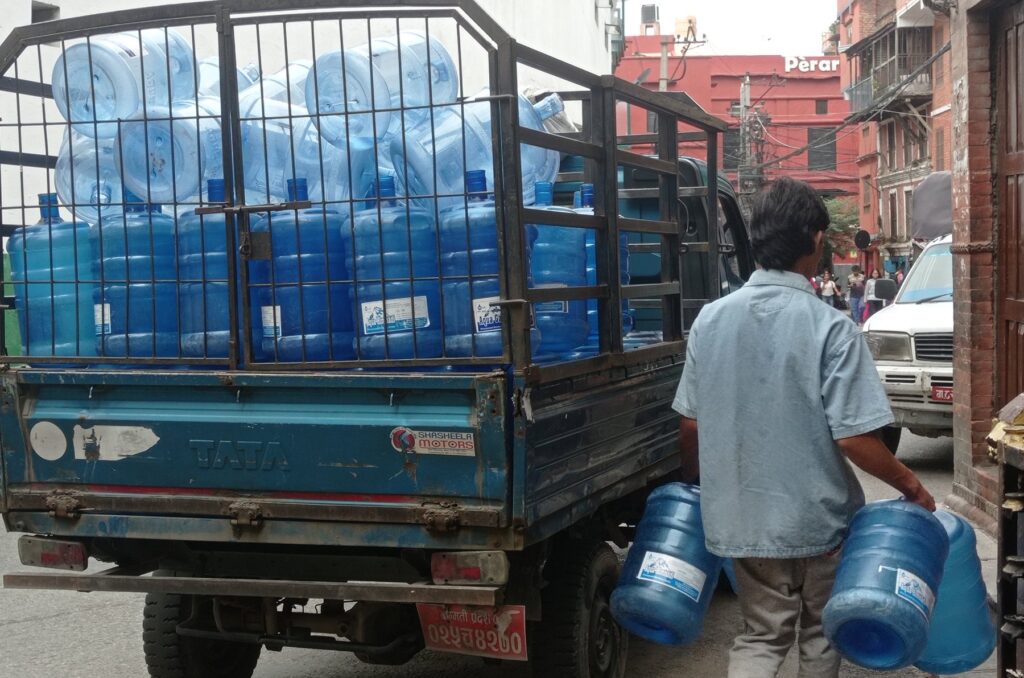
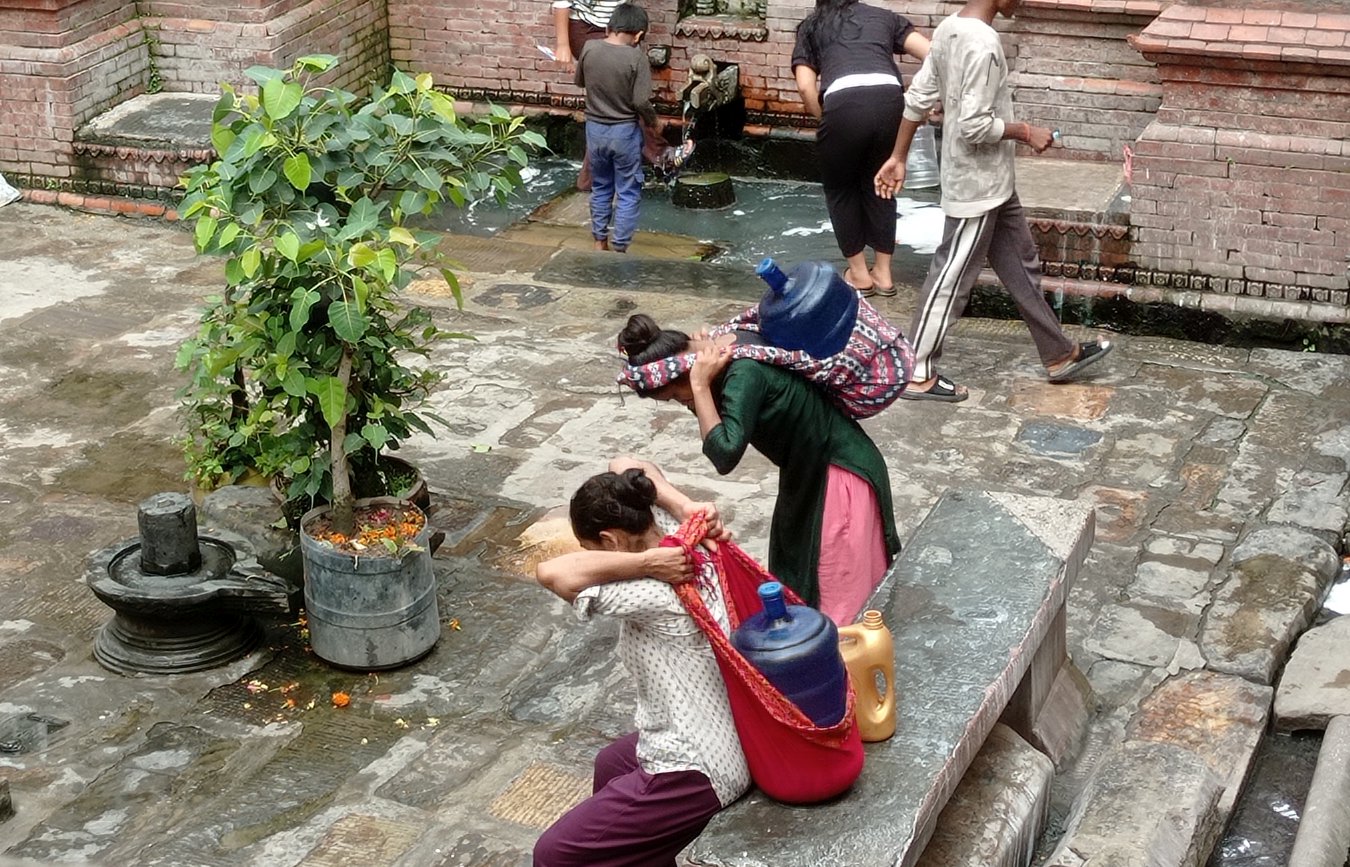
This structural paralysis feeds a predatory private market. In the narrow lanes of Kathmandu valley, the only vibrant economy is the roaring trade of private tanker trucks. Families are forced to shell out thousands of rupees to buy water that is often pumped illegally from questionable peripheral streams.
As night falls over the valley, the rain shows no signs of letting up. The streets roar with the sound of gushing rainwater, washing over a capital city that remains fundamentally dry. Kathmandu’s citizens go to bed tonight with wet umbrellas, empty buckets, and the bitter realization that their government is content to let them drown in the rain while starving at the tap.