KATHMANDU: A special documentary screening highlighting the Qinghai–Xizang Railway, one of the world’s highest railway routes, is being organised by RAY TV and produced by CGTN Nepali to mark 20 years since the railway’s full operation.
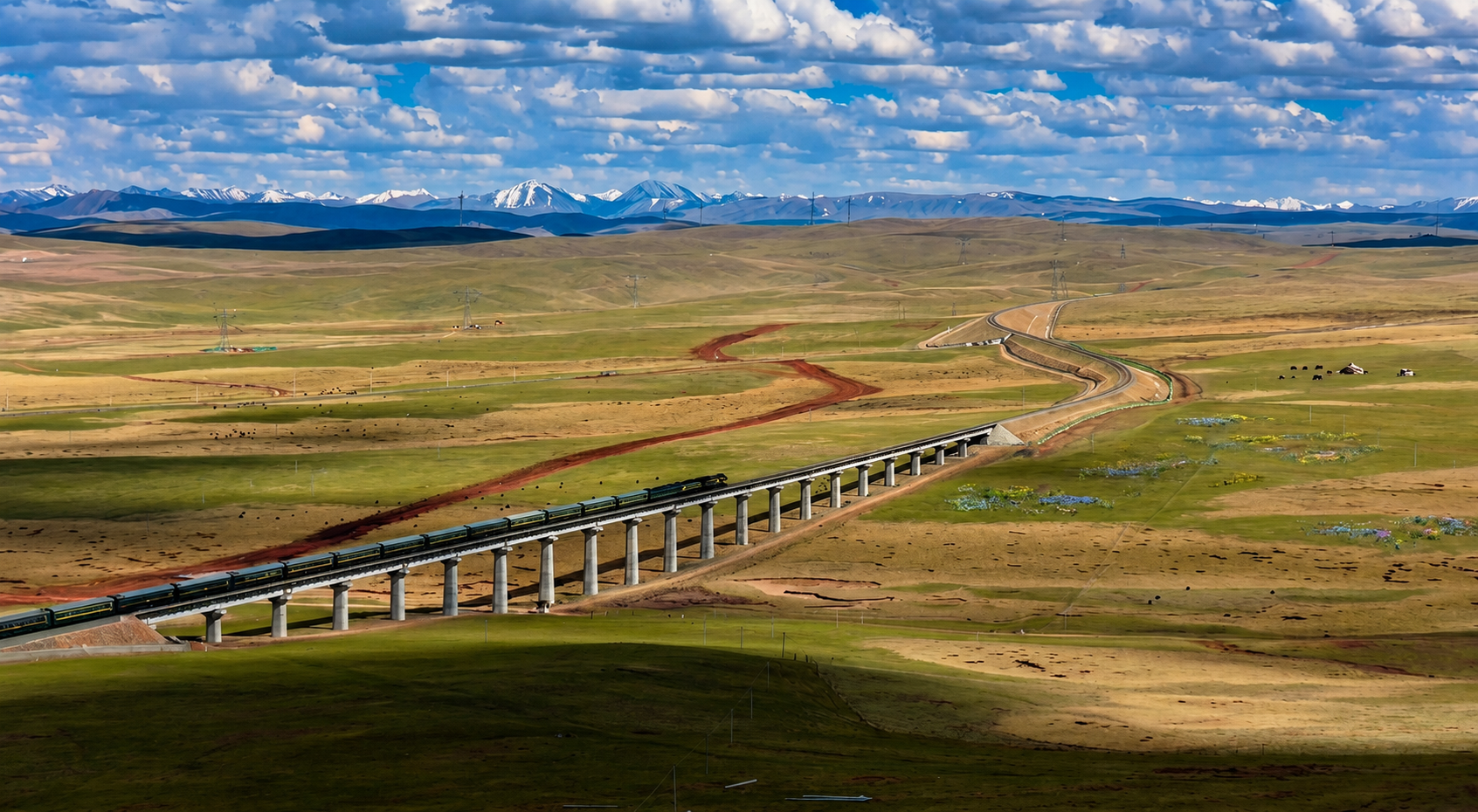
Often described as the ‘Sky-High Railway’, the route connects Xining, the capital of China’s Qinghai Province, with Lhasa in the Xizang Autonomous Region. The entire railway stretches about 1,956 kilometres across some of the most difficult high-altitude terrain in the world.
The railway was developed in stages. The 814-kilometre Xining–Golmud section began operating in 1984, while construction of the challenging 1,142-kilometre Golmud–Lhasa section started in 2001. The latter opened for full operation on July 1, 2006, establishing a direct railway connection to Xizang.
One of the railway’s most remarkable features is its altitude. Around 960 kilometres of the Golmud–Lhasa section runs more than 4,000 metres above sea level. The route reaches approximately 5,072 metres near the Tanggula Pass, while Tanggula Railway Station sits at about 5,068 metres, making the journey an extraordinary example of high-altitude railway engineering.
Building the railway required engineers to address three major challenges: low oxygen levels, permanently frozen ground known as permafrost, and the fragile ecosystem of the Qinghai–Xizang Plateau. Around 550 kilometres of the Golmud–Lhasa section crosses permafrost areas, where seasonal freezing and thawing can affect the stability of railway foundations.
To protect the infrastructure, engineers adopted specialised construction methods, including elevated structures, specially designed railway beds and techniques intended to manage ground temperatures. The condition of the permafrost continues to require monitoring, particularly as rising temperatures associated with climate change create long-term challenges for high-altitude infrastructure.
Passenger safety also required special measures. Because oxygen levels are significantly lower at high elevations, trains operating on the route are equipped with oxygen-supply systems, with additional oxygen available to passengers when required.
Environmental protection formed another important part of the railway’s development. The route crosses sensitive grasslands, wetlands and wildlife habitats. Bridges, culverts and wildlife passages were incorporated into sections of the railway to reduce disruption to the movement of animals, including the Tibetan antelope.
Beyond its engineering significance, the railway has changed transportation across the high plateau over the past two decades. It has strengthened passenger and freight movement while contributing to regional connectivity, tourism and trade.
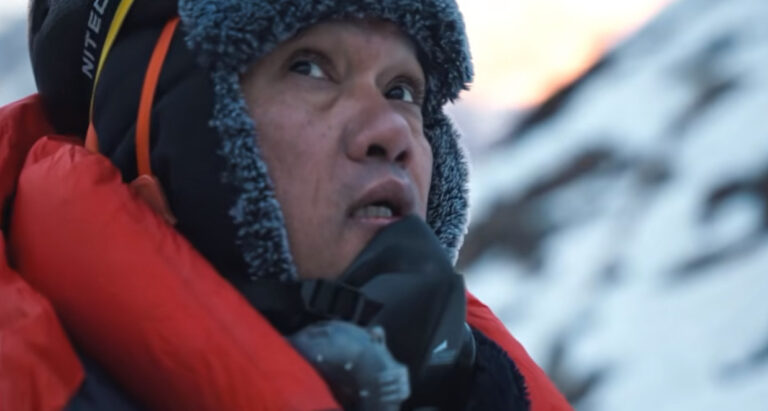
The railway also represents the work of thousands of engineers, technicians, construction workers and railway employees who have operated and maintained infrastructure in areas affected by extreme cold, snow, strong winds and low oxygen levels.
In 2026, the Golmud–Lhasa section marks 20 years of operation. The anniversary documentary focuses not only on the railway’s engineering achievements, but also on the people behind it, its environmental challenges and the dramatic landscapes through which the trains continue to travel.
Through the special screening, RAY TV and CGTN Nepali will present the wider story of a railway built across one of the planet’s most demanding landscapes—a project where modern engineering, high-altitude communities and the fragile Himalayan plateau meet.