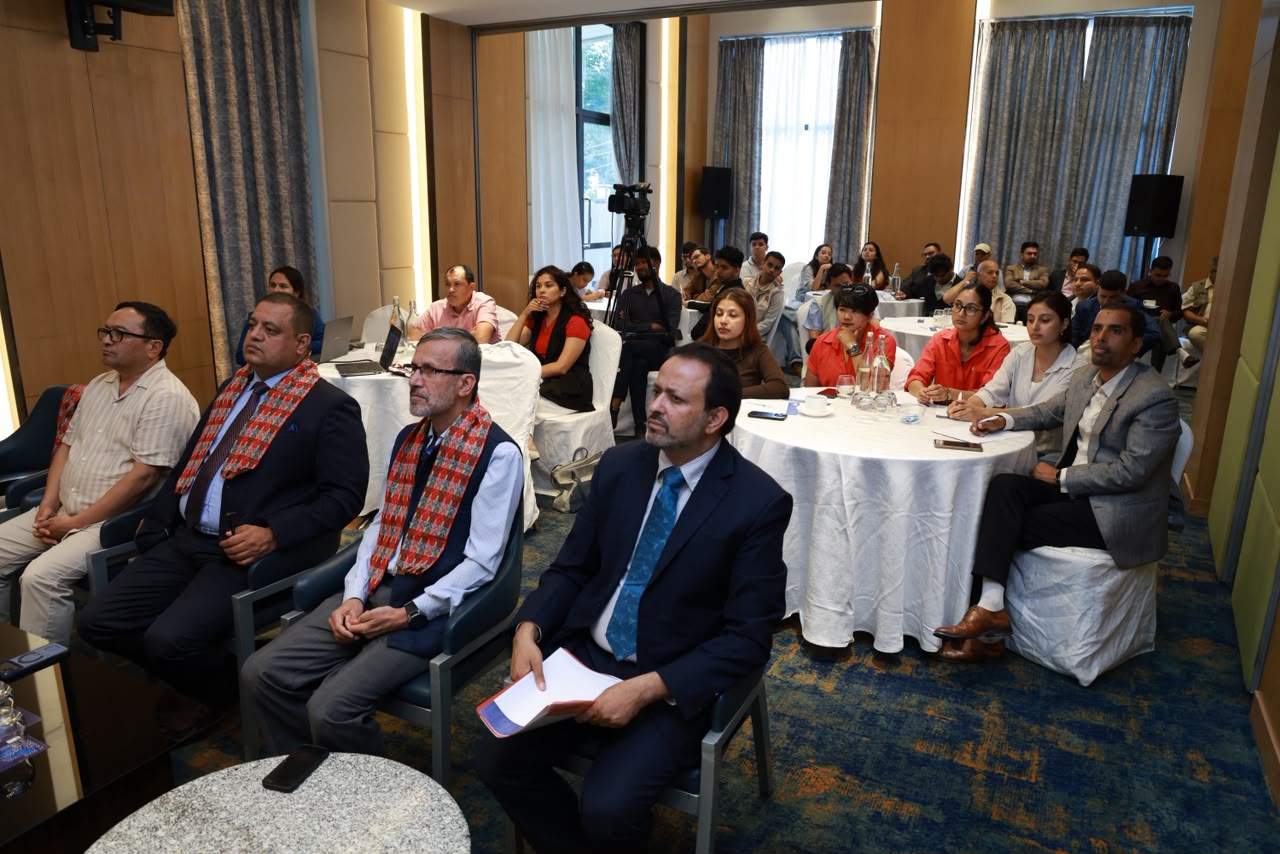
Kathmandu – Experts, policymakers and disaster-response practitioners have called for stronger Nepal–China cooperation in disaster preparedness, climate resilience and emergency response amid growing climate-related risks in the Himalayan region. The call was made at an interaction programme titled “China–Nepal Cooperation for Disaster Resilience and Lasting Friendship,” organised by Friends of Silk Road Club–Nepal at Holiday Inn Express, Naxal, Kathmandu, on Sunday.
Speakers highlighted the increasing risks from glacial lake outburst floods (GLOFs), changing temperatures, glacier loss and extreme weather events. Dr. Rijan Bhakta Kayastha stressed the need for improved monitoring of glaciers, glacial lakes and permafrost, along with automatic weather stations, water-level sensors, field cameras, satellite communication and remote-sensing technology. Participants also called for joint scientific research, better information sharing, coordinated early warning systems and stronger technical capacity in both countries.
The programme also reviewed China’s recent emergency assistance to Nepal following the August floods and related disasters. According to the organisers, China provided US$2 million in emergency flood relief, US$200,000 from the Red Cross Society of China and US$200,000 in emergency cash assistance from the International Department of the Communist Party of China, along with around 50 tonnes of relief supplies and 13,200 relief items. The assistance also included rescue specialists and equipment, drones, DNA-testing and forensic equipment, public-health materials, water-purification and lighting equipment, and materials for two Bailey bridges.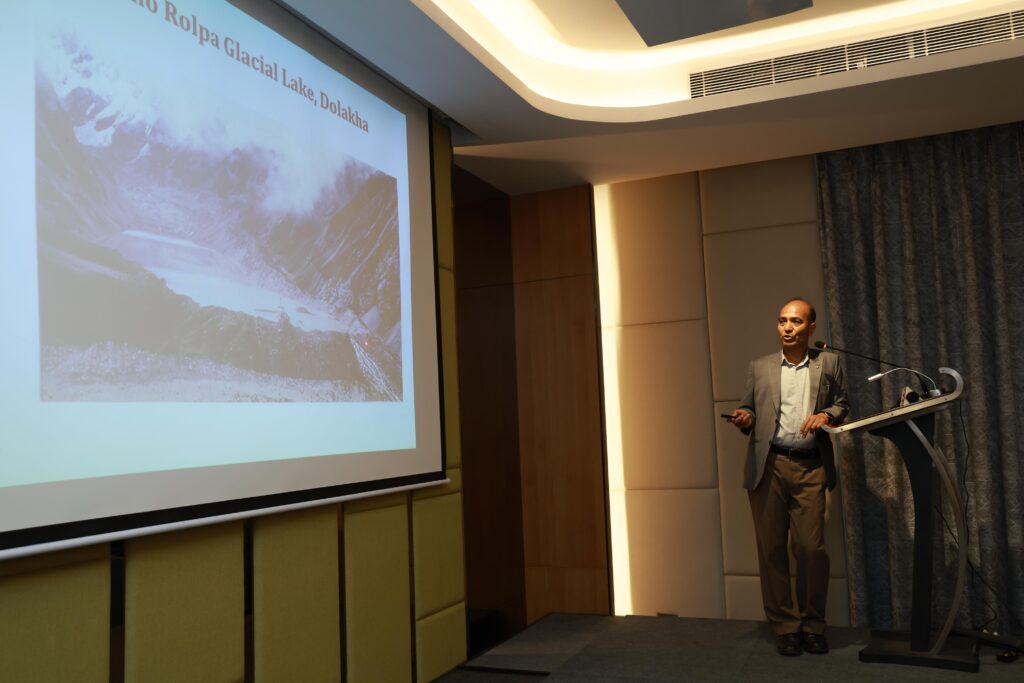
Participants stressed that disaster resilience should become a long-term area of Nepal–China cooperation, with greater focus on practical preparedness, scientific assessment and coordinated response. The discussion concluded with calls for joint risk assessment, satellite and remote-sensing cooperation, real-time disaster information sharing, stronger early warning systems and coordinated emergency response to better protect communities across the Himalayan region.