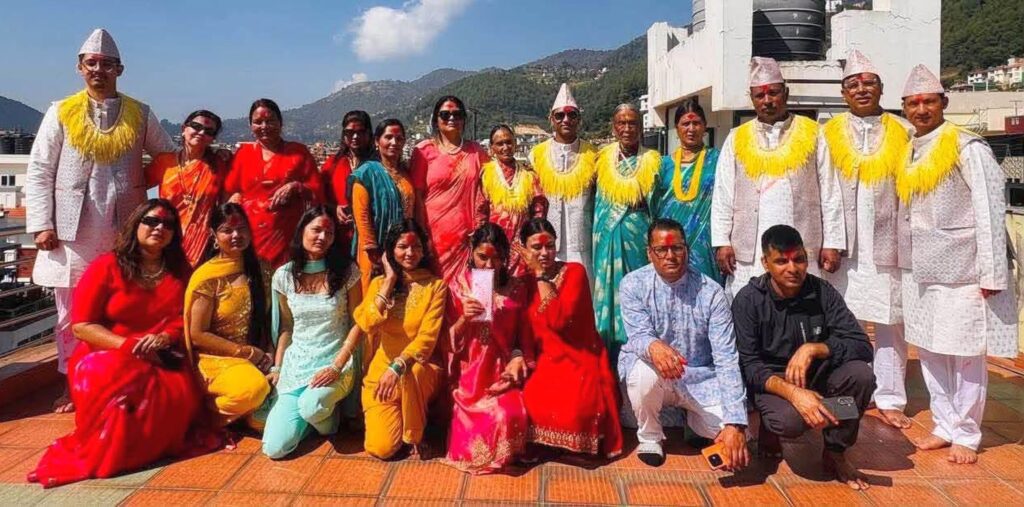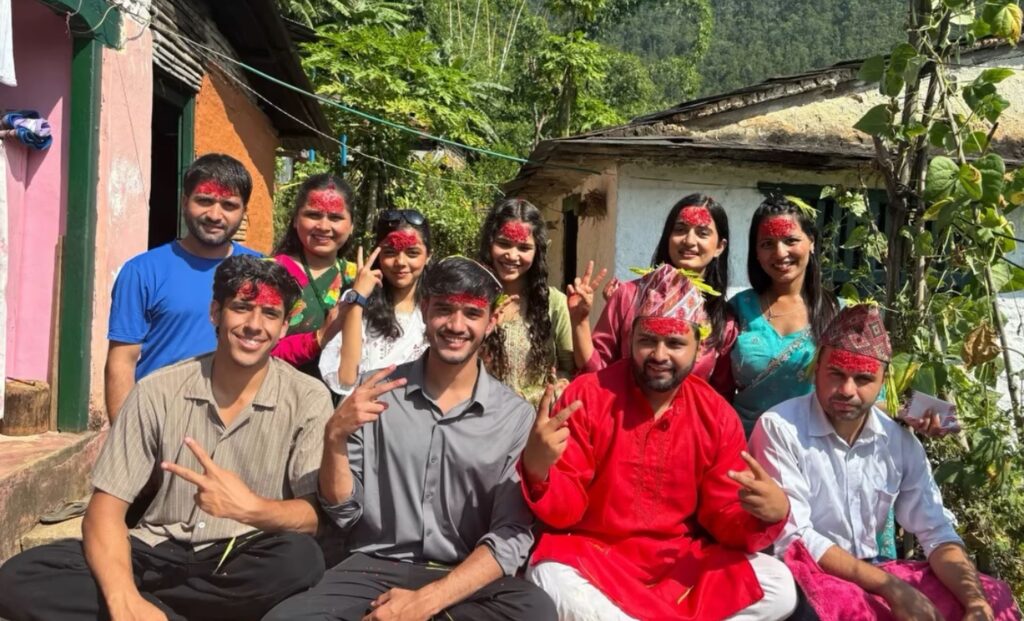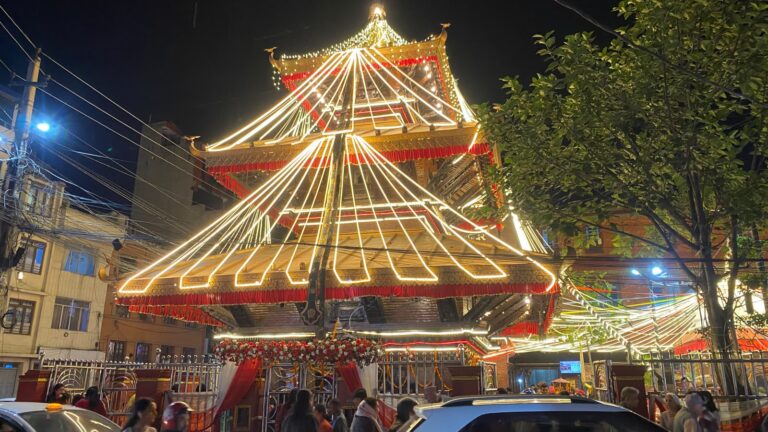
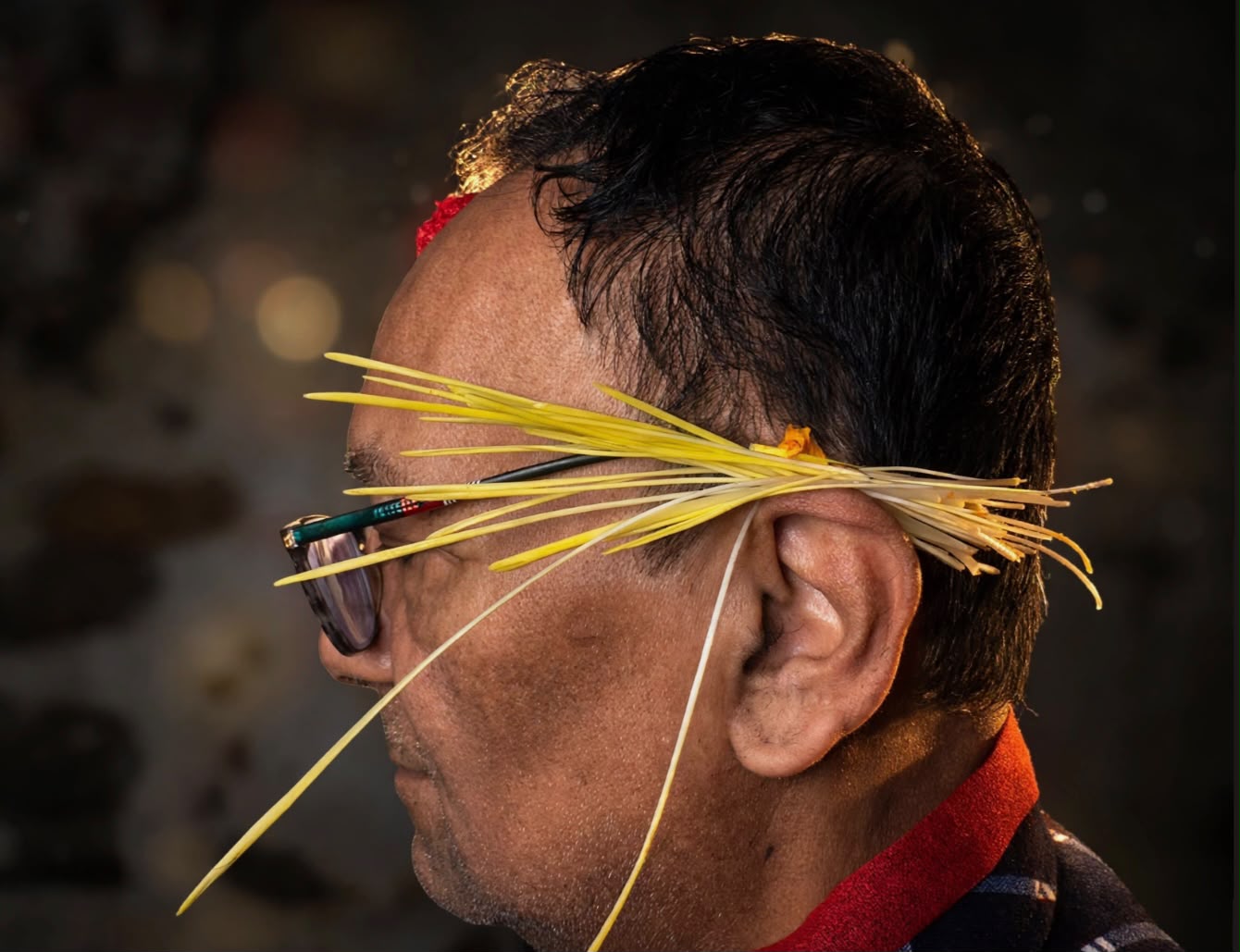
Kathmandu – Bijaya Dashami, the tenth day of Bada Dashain, Nepal’s biggest Hindu festival, is being celebrated across the country on Wednesday as people receive red tika, jamara and blessings from elders for good fortune, prosperity and happiness.
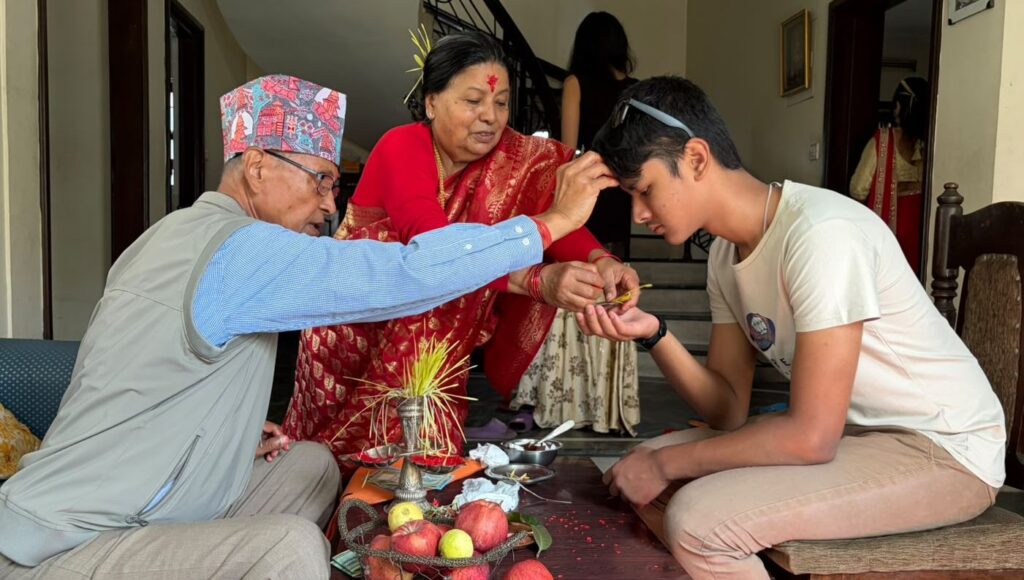
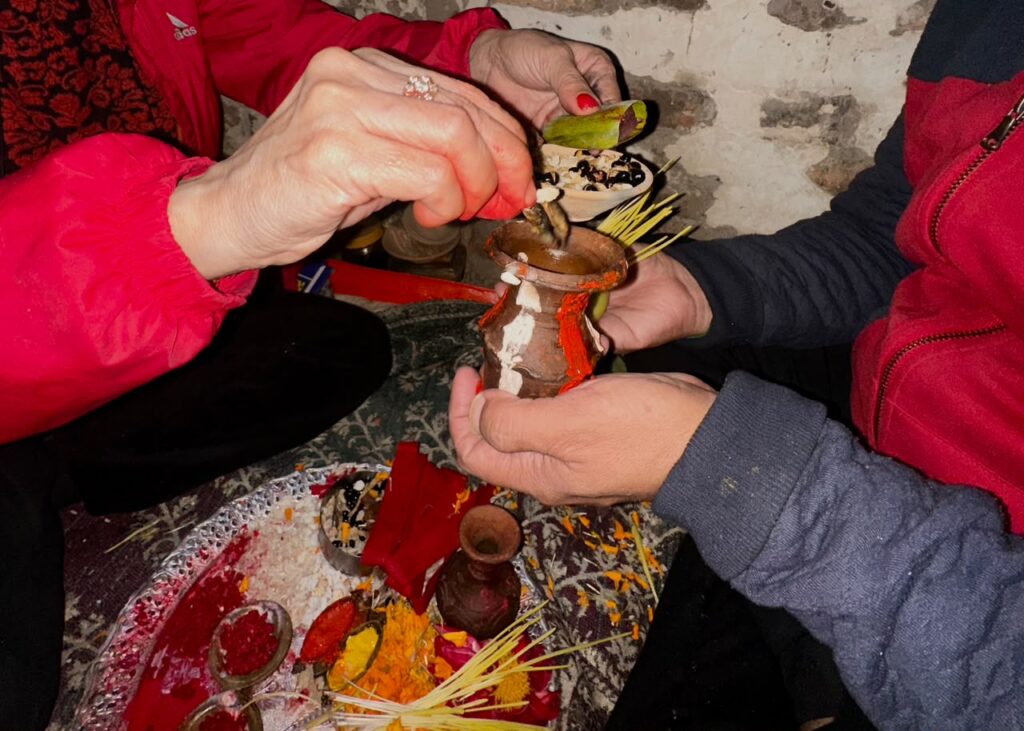
The Nepal Calendar Determination Development Committee designated 10:26 a.m. as the auspicious time to receive tika and jamara. People receive tika throughout the day following the ritual immersion, although 10:26 a.m. was designated as the most auspicious time.
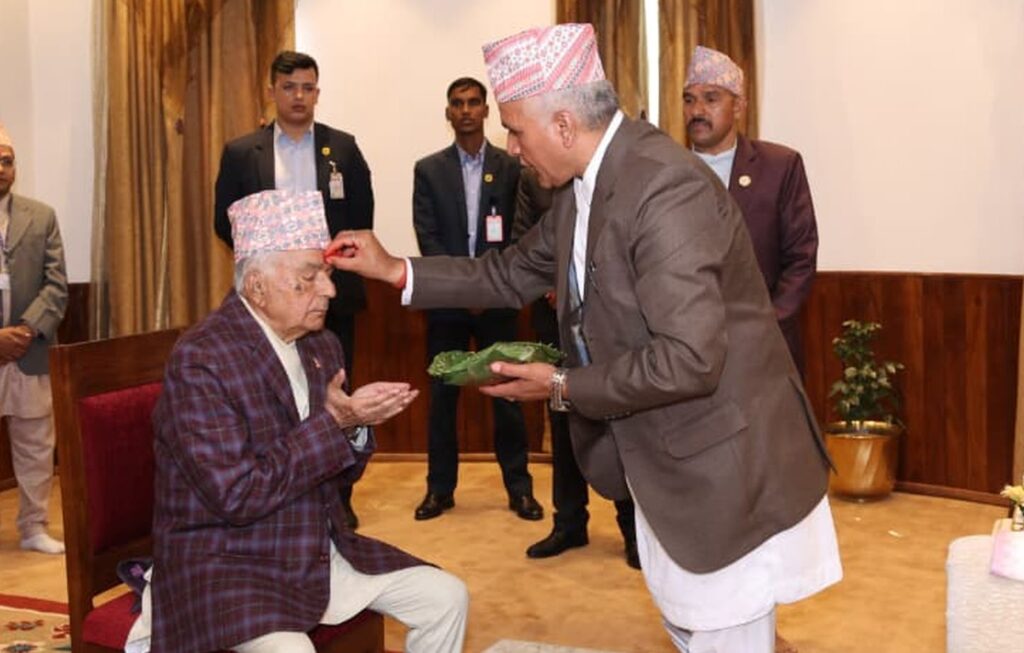
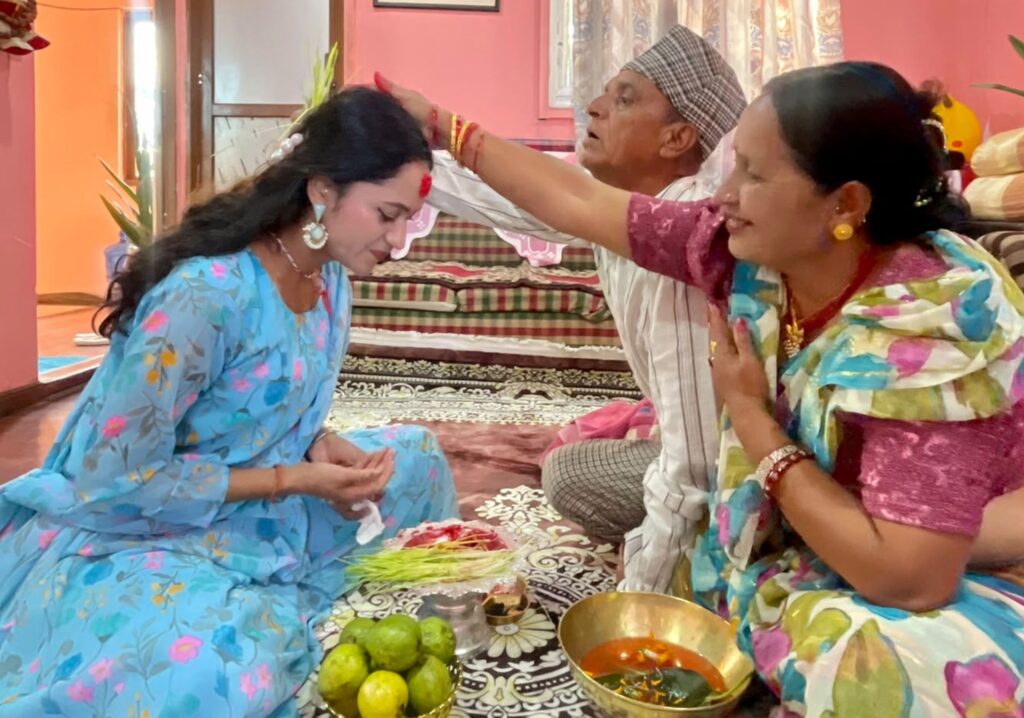
President Ram Chandra Paudel received tika, jamara and prasad from the royal priest at Sheetal Niwas, the presidential residence, in accordance with the auspicious time set for the occasion. While acting Mayor of Kathmandu Metropolitan City, Sunita Dangol, receives tika and blessings from her mother.
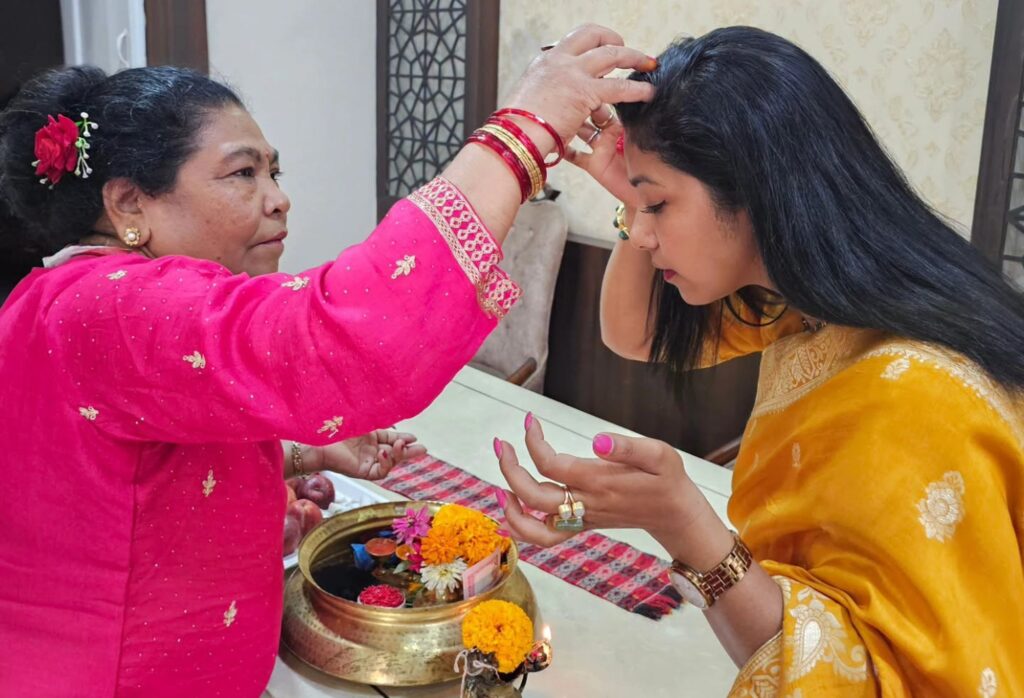
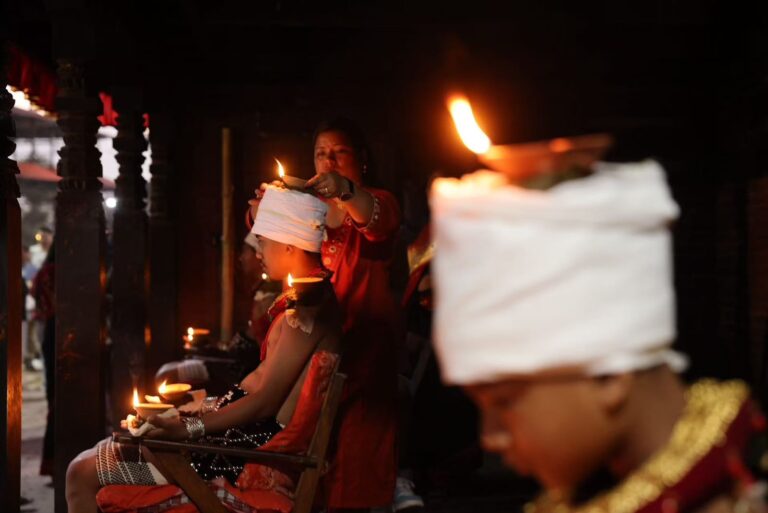
The nine-day worship of Goddess Durga at homes and temples formally concludes on Bijaya Dashami. Following the prescribed rituals, family members visit elders to receive tika and jamara along with blessings for health, happiness, success and longevity. The tradition continues until Kojagrat Purnima, the full moon day marking the end of the Dashain festival period.
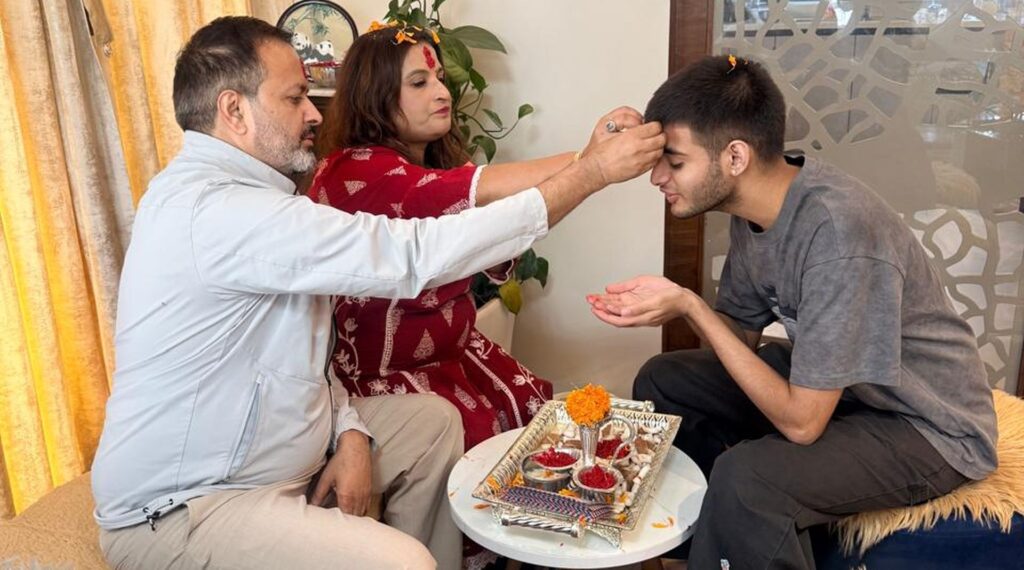
Red tika, a mixture traditionally made with vermilion and other ingredients, symbolises victory and good fortune, while jamara, sacred yellow shoots of barley or other grains grown during the festival, represents prosperity and abundance. Both are regarded as blessings associated with Goddess Nawadurga.
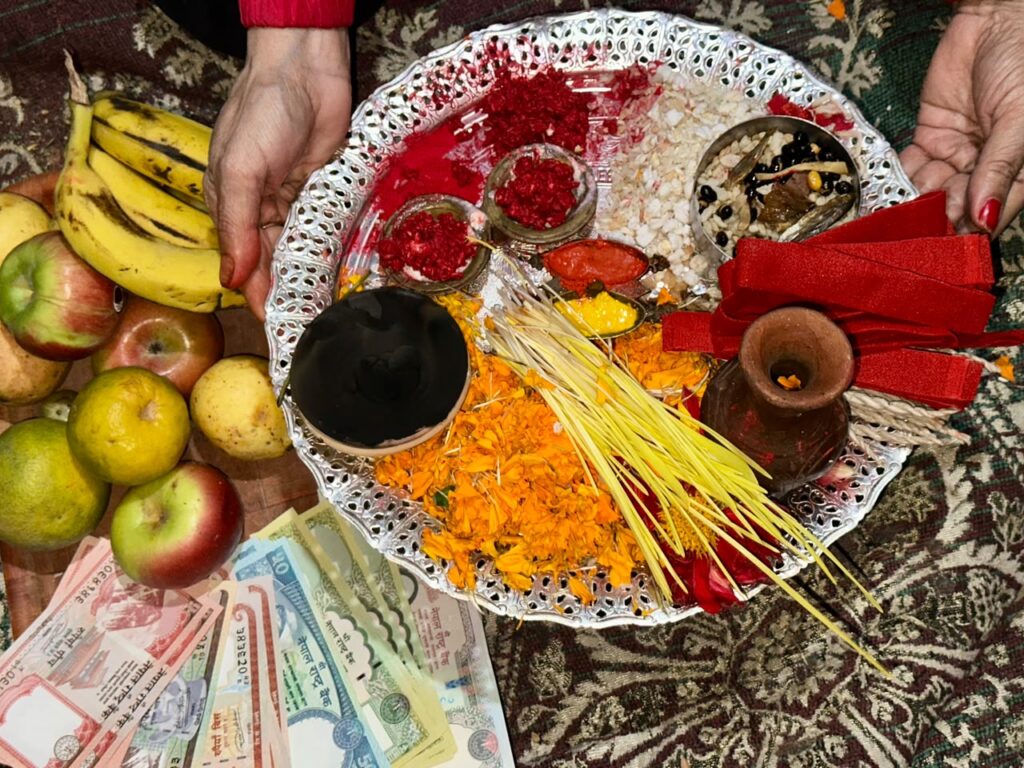
Bijaya Dashami commemorates the victory of good over evil and is associated with the triumph of Goddess Durga over the demon Mahishasura. The day is also considered auspicious for beginning new ventures and undertaking journeys.
The celebrations have also drawn foreign visitors into Nepal’s festive traditions. Tourists staying at a hotel in Thamel and Sauraha, popular tourist destinations , joined the celebrations on Wednesday, receiving red tika and jamara as part of the rituals marking the festival’s main day.
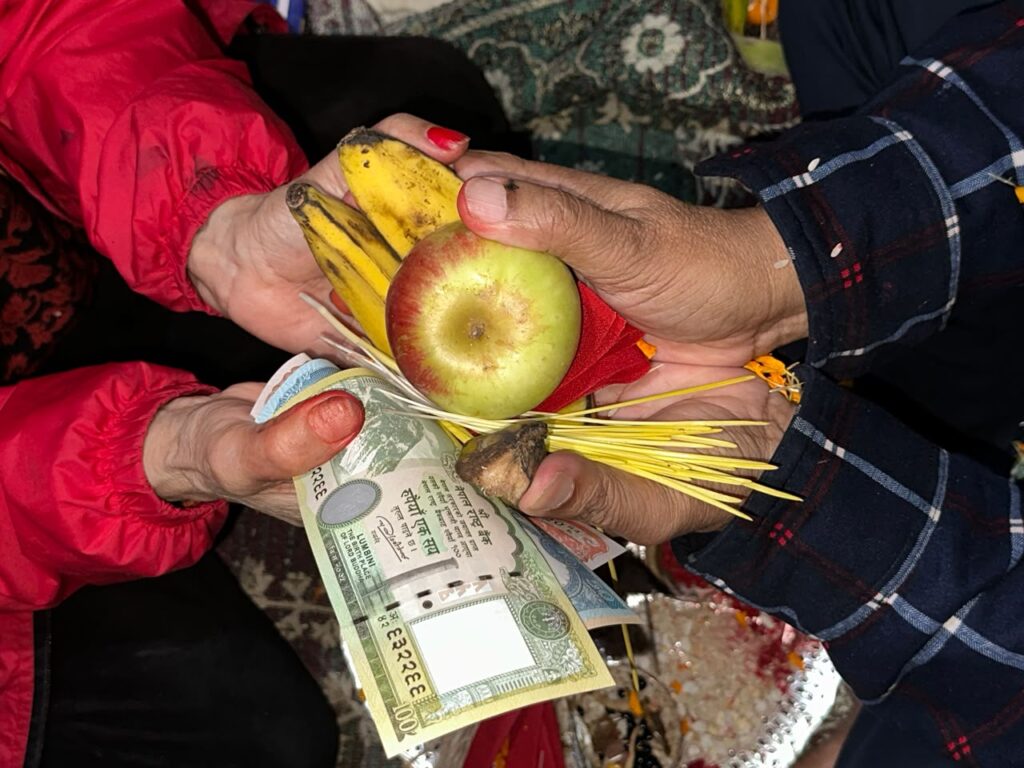
Across Nepal, families, relatives and communities are coming together to celebrate the occasion, preserving a cherished tradition that connects generations through faith, family ties and cultural heritage.