From camel rides across the desert and traditional Mongolian tea on the grasslands to the illuminated skyline of Kangbashi, a week in Inner Mongolia offered a memorable travel experience and valuable lessons for Nepal's tourism future.
Some journeys are short, but the memories and experiences stay for a long time. My week-long visit to China’s Inner Mongolia Autonomous Region was one such journey—filled with cultural discoveries, breathtaking landscapes, unexpected reunions and lessons in tourism development.
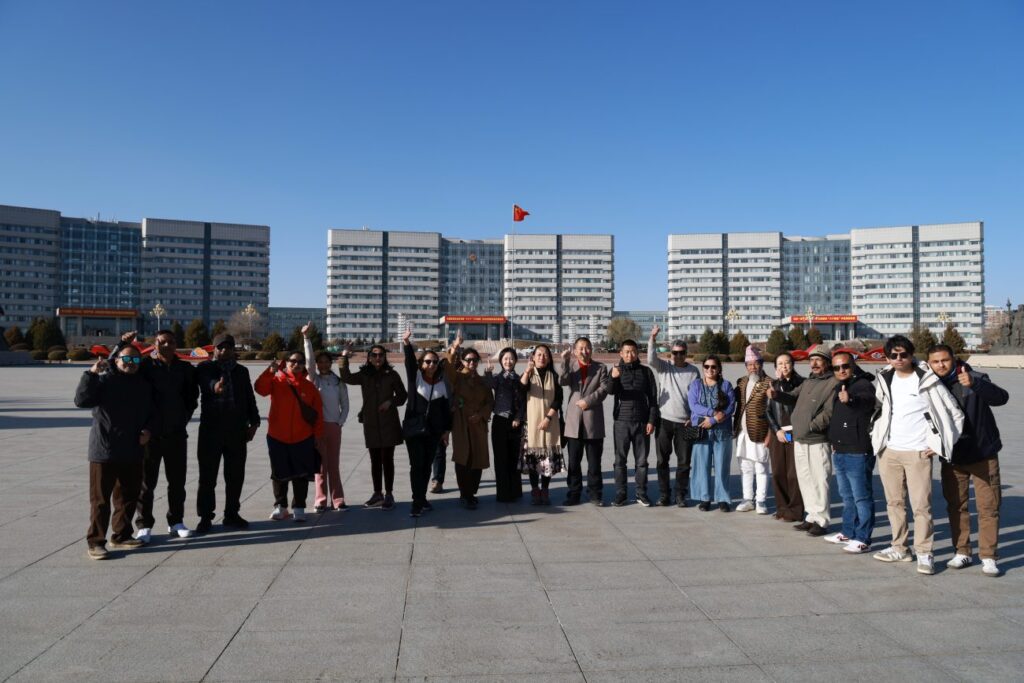
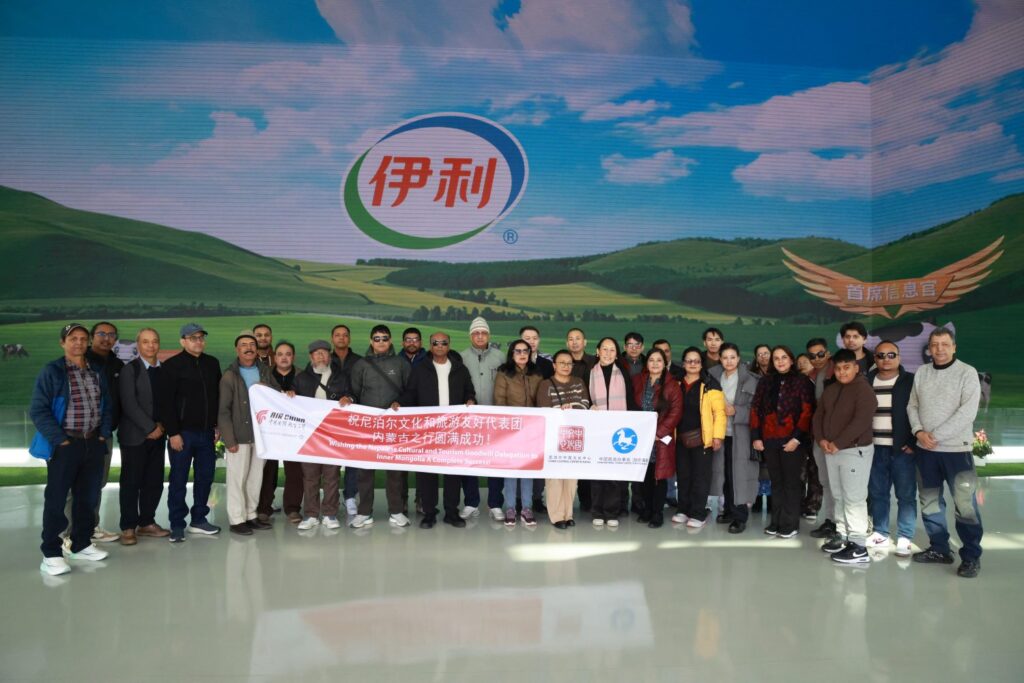
At the invitation of the Department of Culture and Tourism of Inner Mongolia Autonomous Region, a Nepali cultural and tourism friendly delegation, jointly organised by the Nepal-China Cultural Center and the China National Tourist Office in Kathmandu, explored the region’s diverse attractions.
The delegation brought together representatives from Nepal’s tourism, aviation, cultural and media sectors, government officials, friendship groups and Chinese language students.
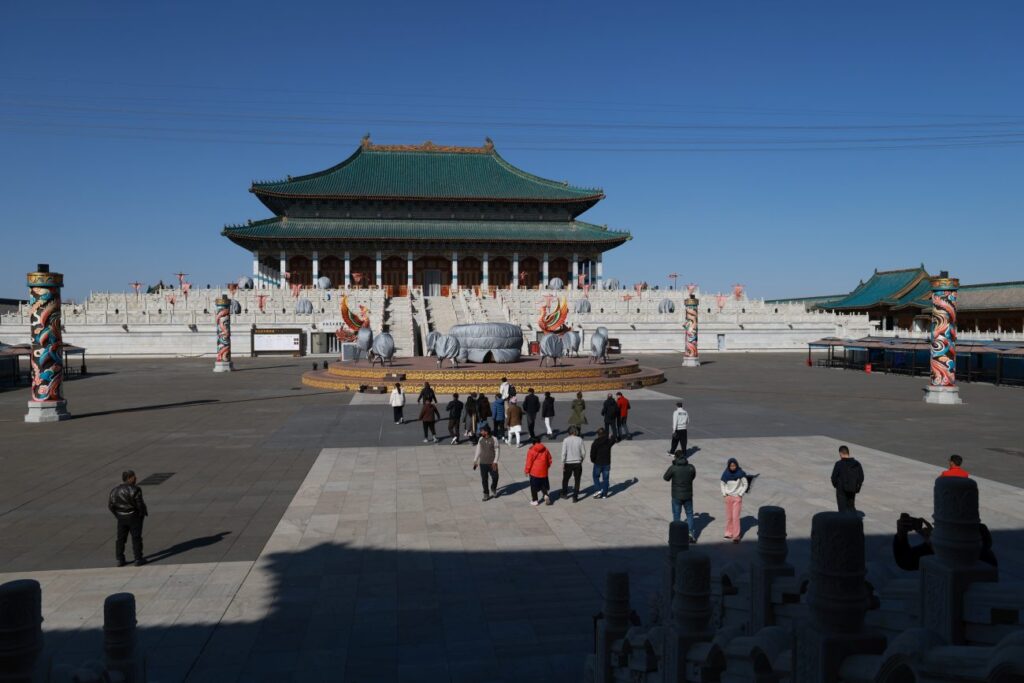
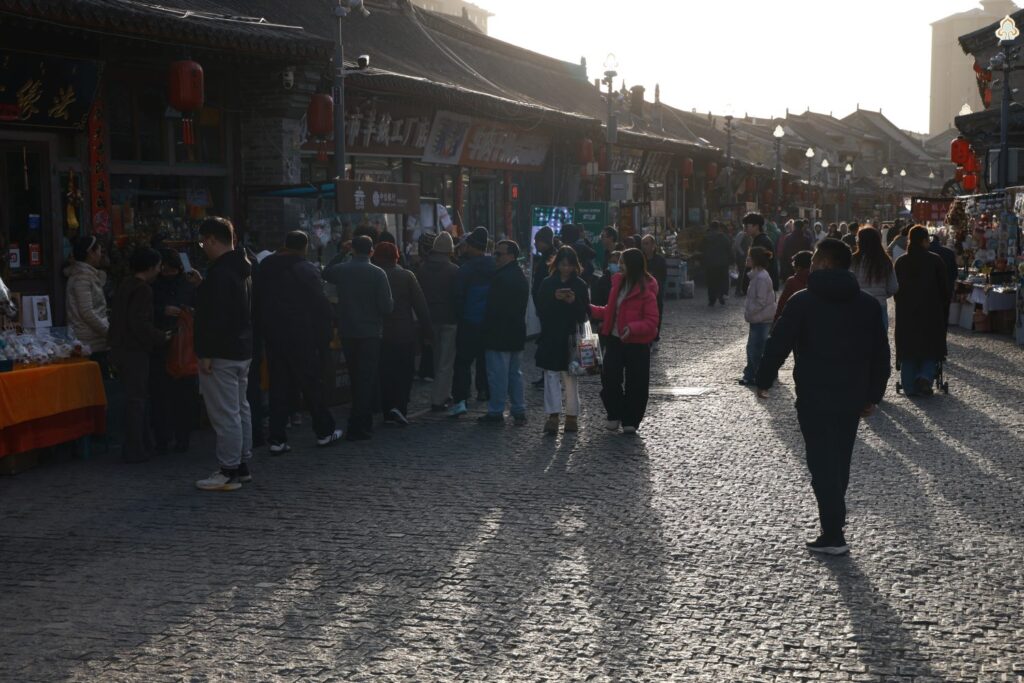
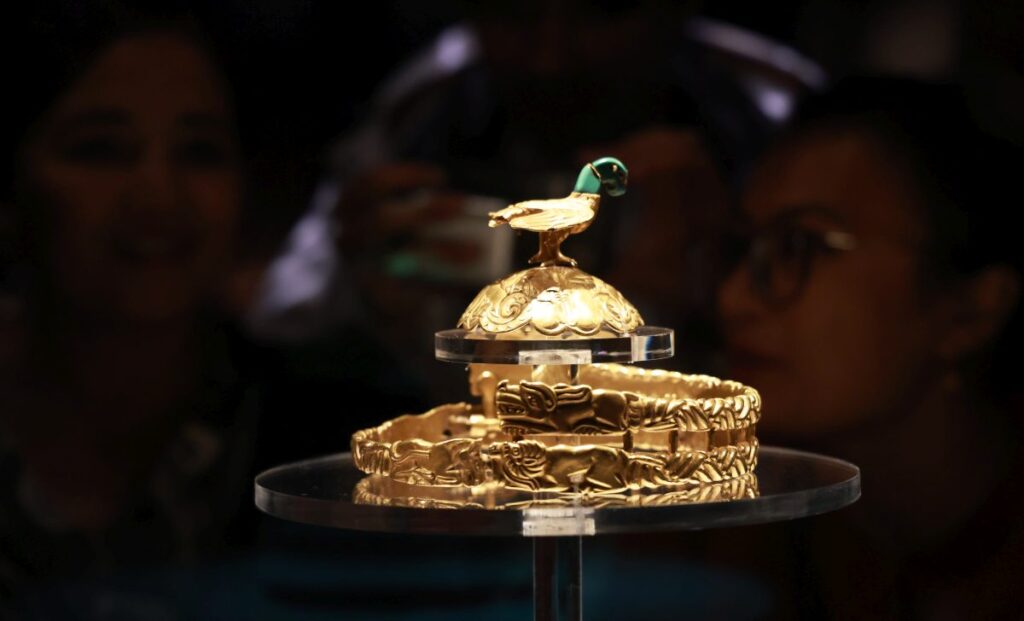
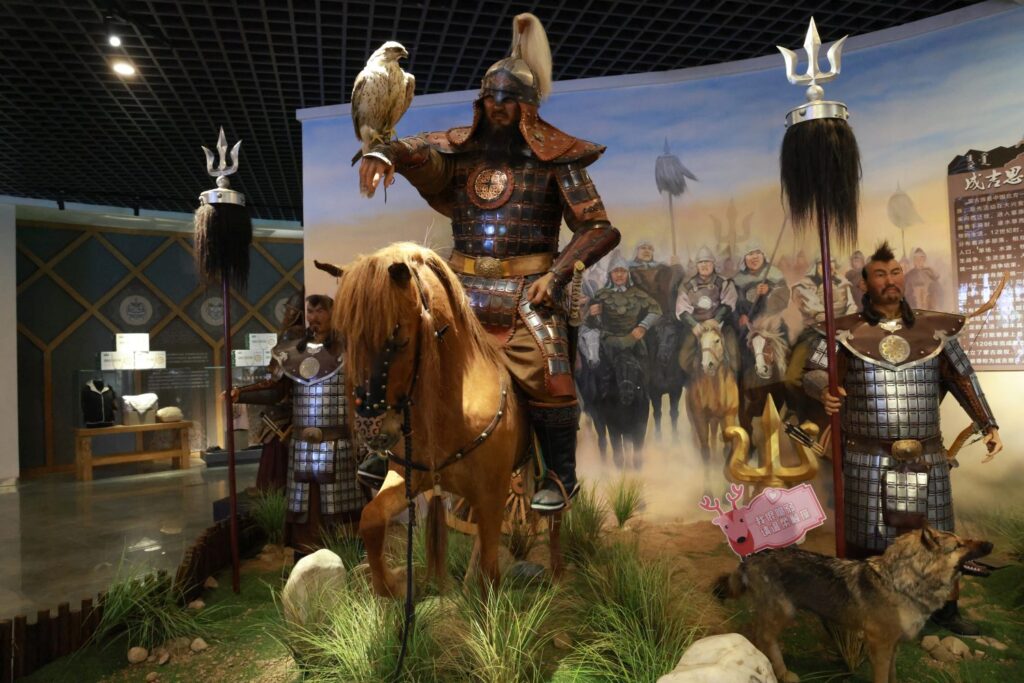
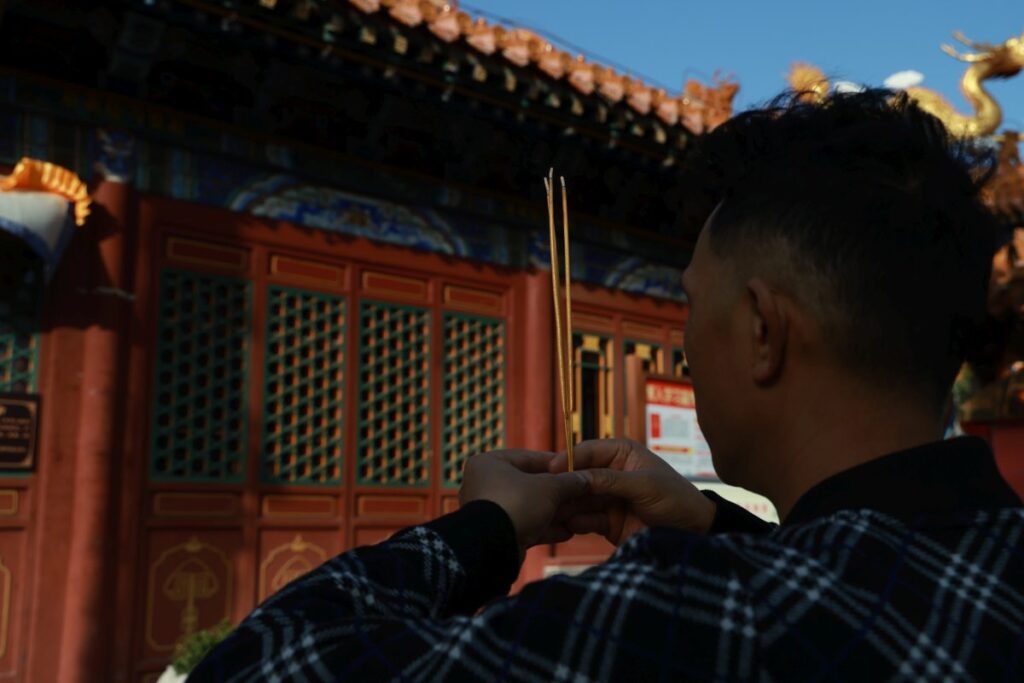
The week-long programme offered an opportunity to explore Inner Mongolia beyond its familiar image of vast grasslands and deserts. The delegation visited the Inner Mongolia Museum, Yili Health Valley, Ethnic Culture Park, Dazhao Temple, Suzhou Old Street, Xiangshawan Desert, Ordos Grassland and various cultural and industrial parks.
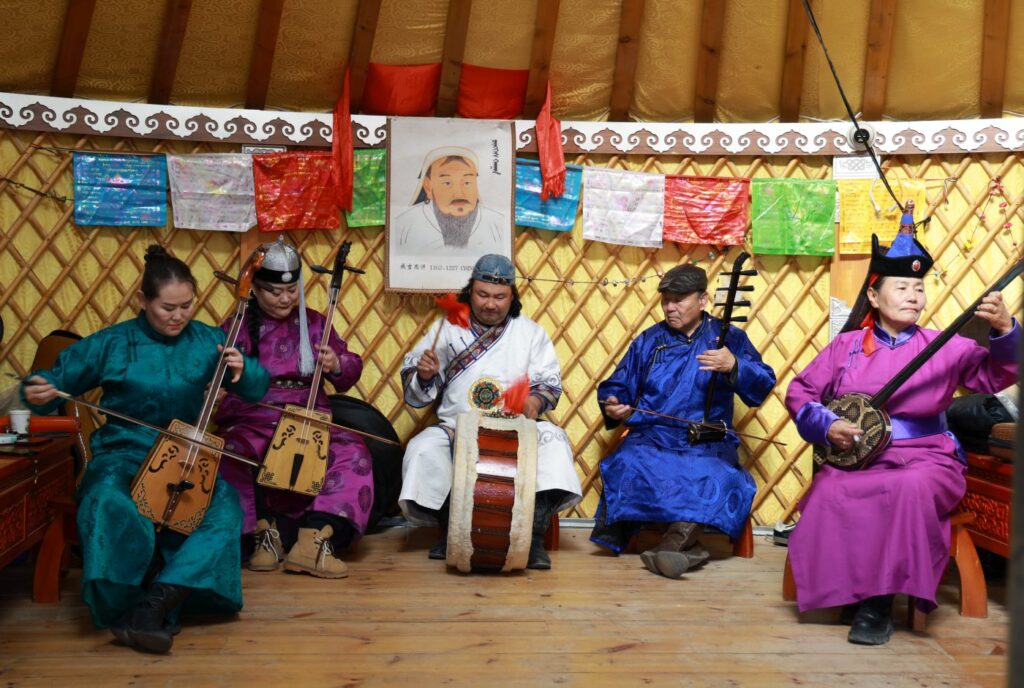
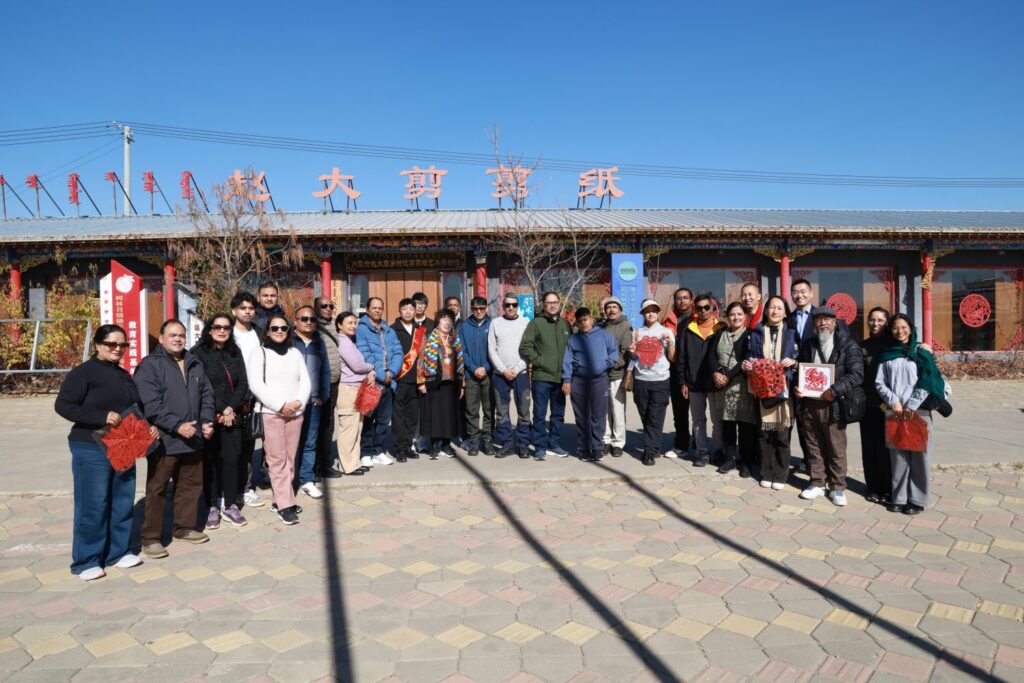
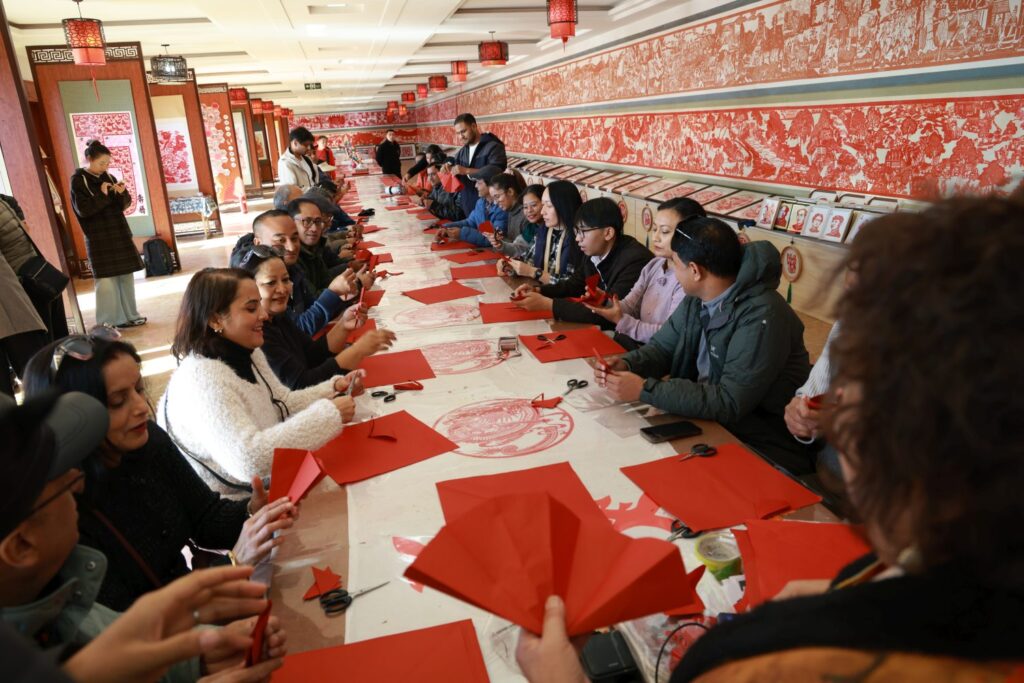
From ancient civilisation and religious heritage to modern industries and contemporary urban development, the visit showcased how diverse attractions can be brought together to create a compelling tourism experience. Delegates also experienced traditional cultural activities, including intangible cultural heritage paper-cutting and Mongolian handicraft making.
From the historic streets and temples of Hohhot to the vast grasslands and spectacular deserts of Ordos, Inner Mongolia offered a different experience at every stop.
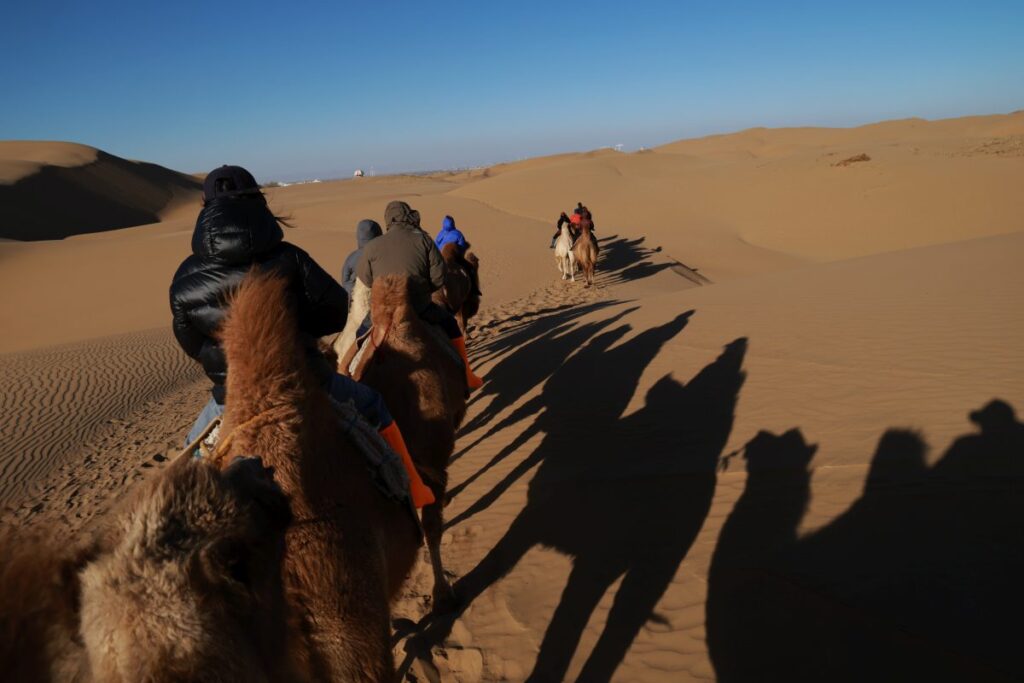
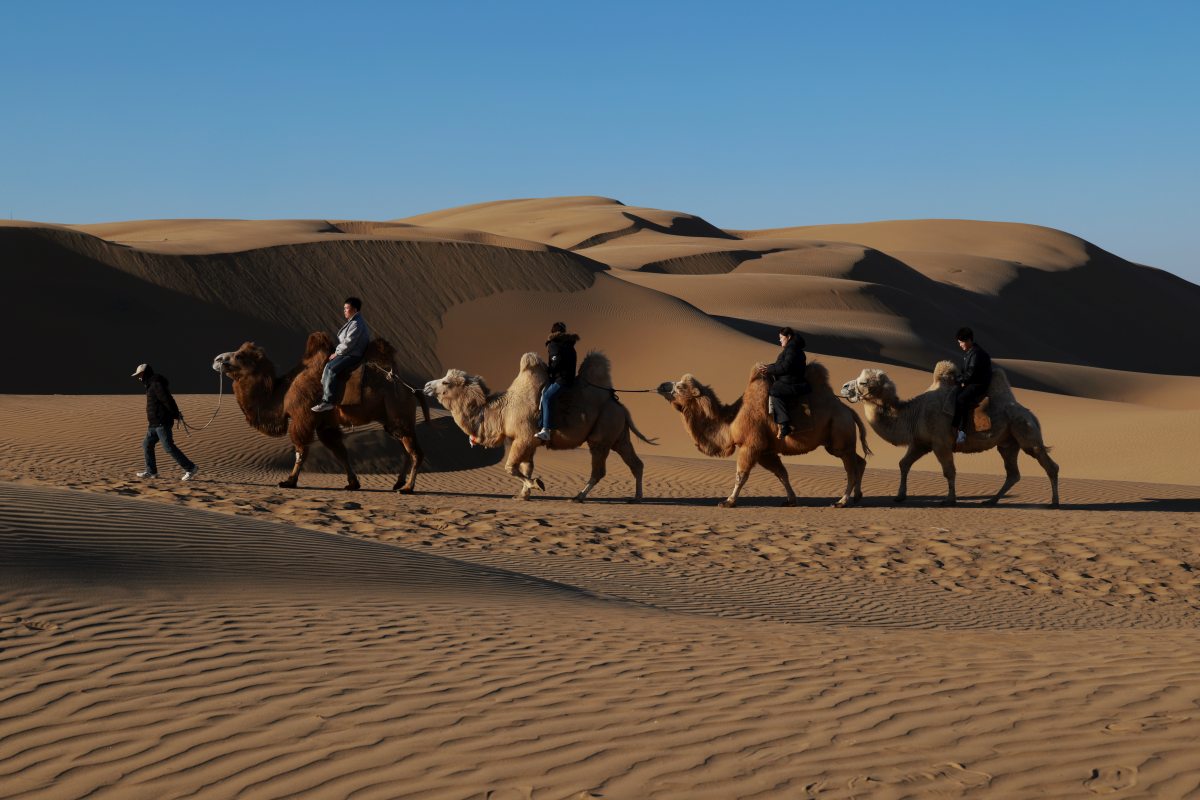
One of the most fascinating experiences was riding the rare two-humped Bactrian camels in the desert. Considering the condition and limited number of these special animals, rides are restricted to few minutes nowdays. Once essential for transportation and carrying goods across deserts, camels have now become an important tourism attraction, allowing visitors to experience traditional desert life.
The grasslands offered another cultural discovery: traditional Mongolian milk tea. Prepared with milk, tea and salt, this distinctive drink is deeply connected to local daily life and hospitality. Small mustard-like grains added another interesting dimension to its taste. More than just a beverage, serving hot tea is a gesture of welcome and warmth, particularly in the cold grassland climate.
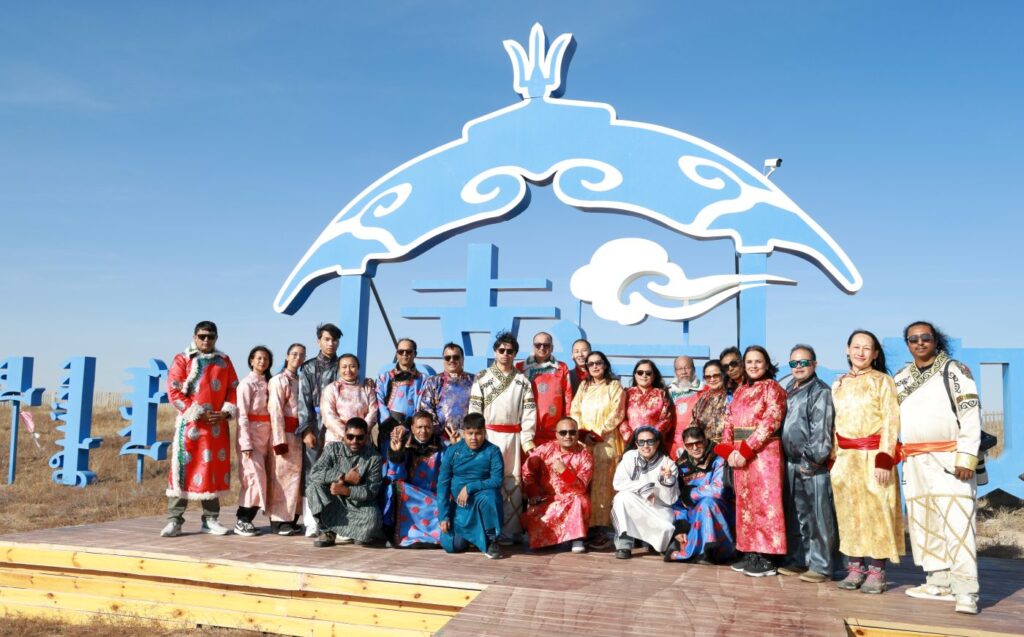
Wearing traditional Mongolian attire and feeding sheep may seem like simple moments of everyday life, but they offer visitors something special: a chance to experience local culture beyond sightseeing. Inner Mongolia demonstrates how ordinary traditions, rural lifestyles and authentic cultural encounters can become memorable tourism experiences.
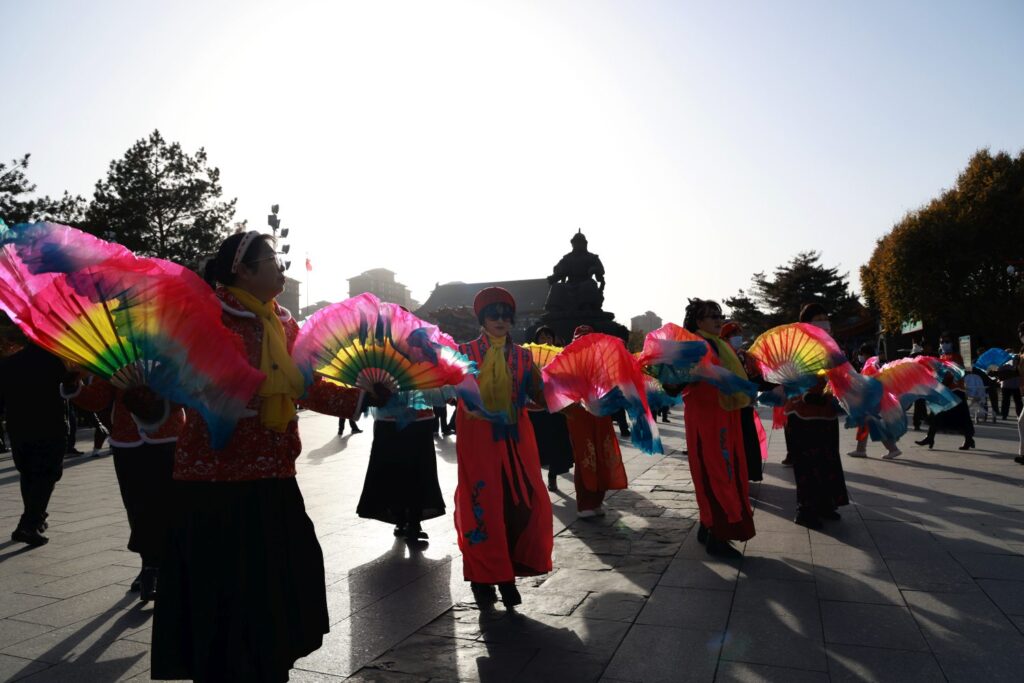
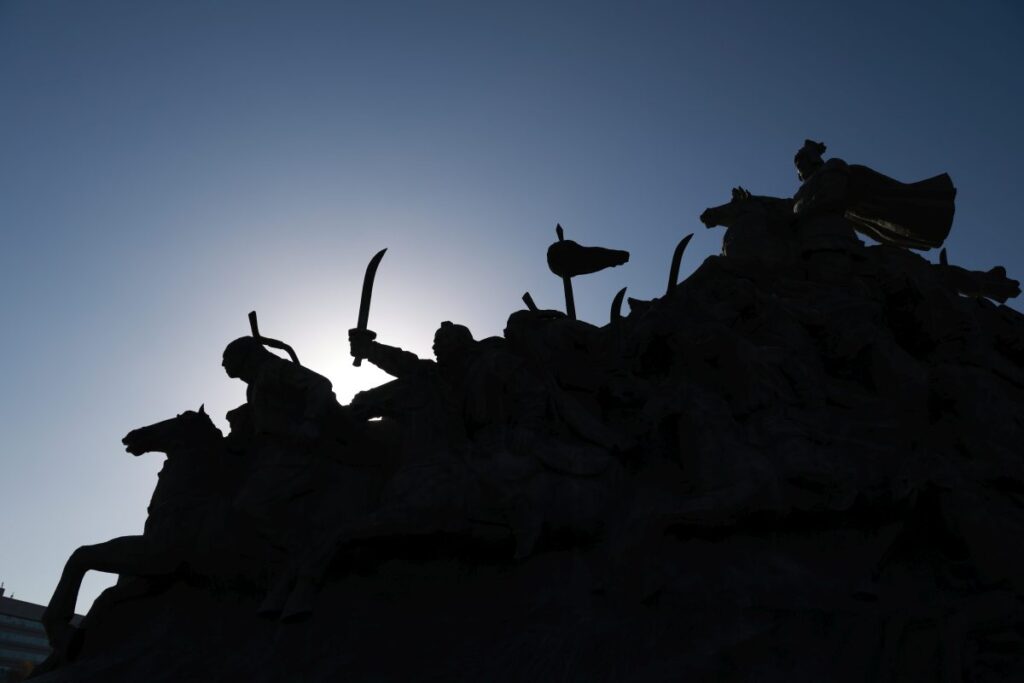
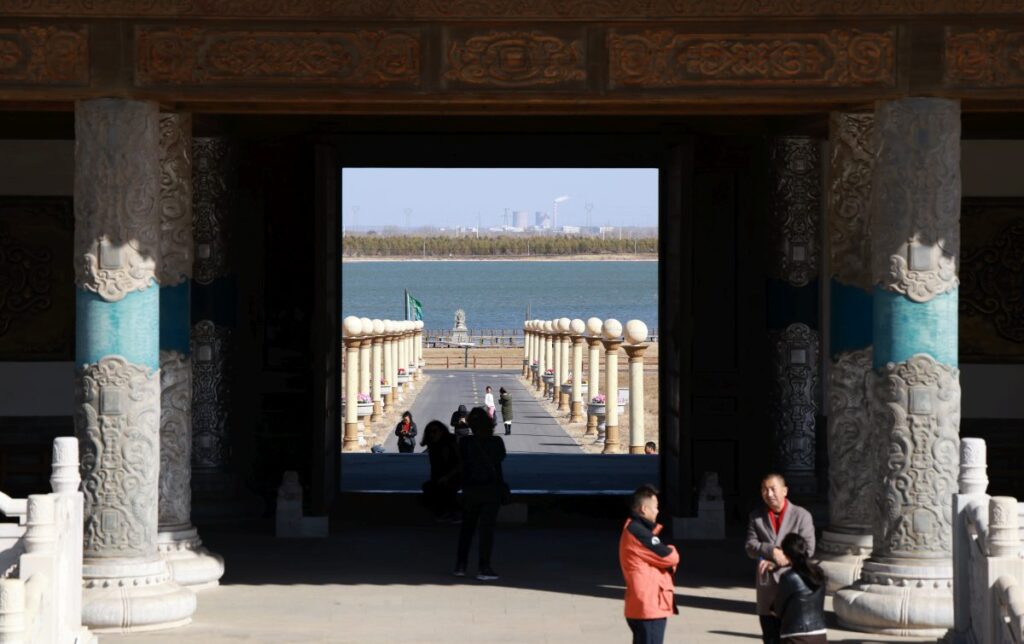
In Ordos, the impressive Genghis Khan Square in the new Kangbashi district provided a glimpse into the region’s deep respect for its history and ancestors. The enormous square features four major sculptures depicting different stages of Genghis Khan’s life, from birth and childhood to marriage, military campaigns and achievements.
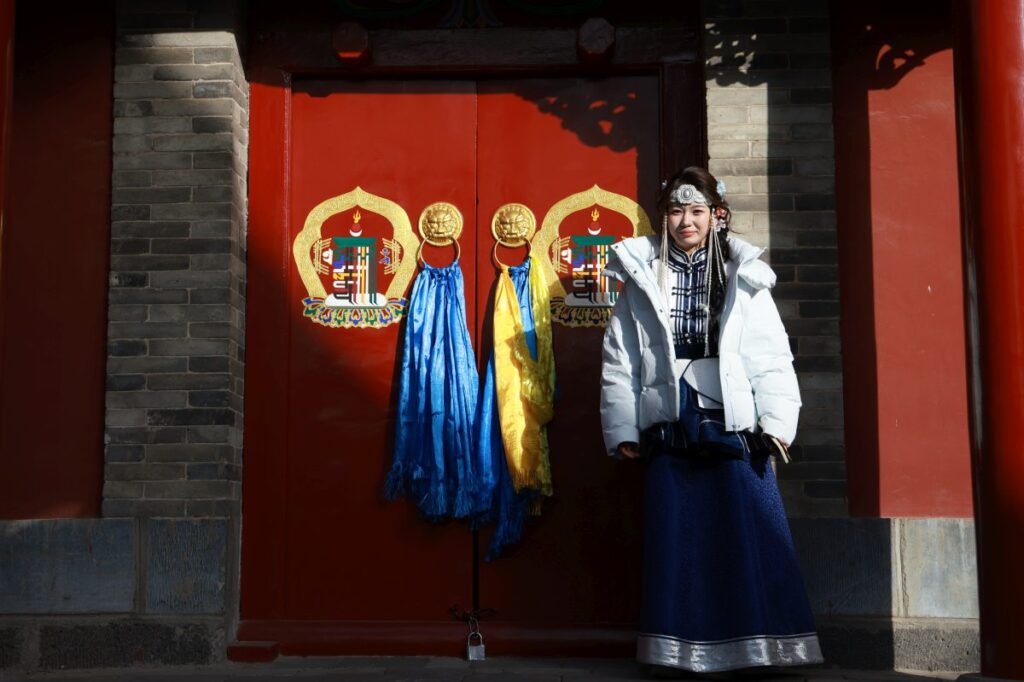
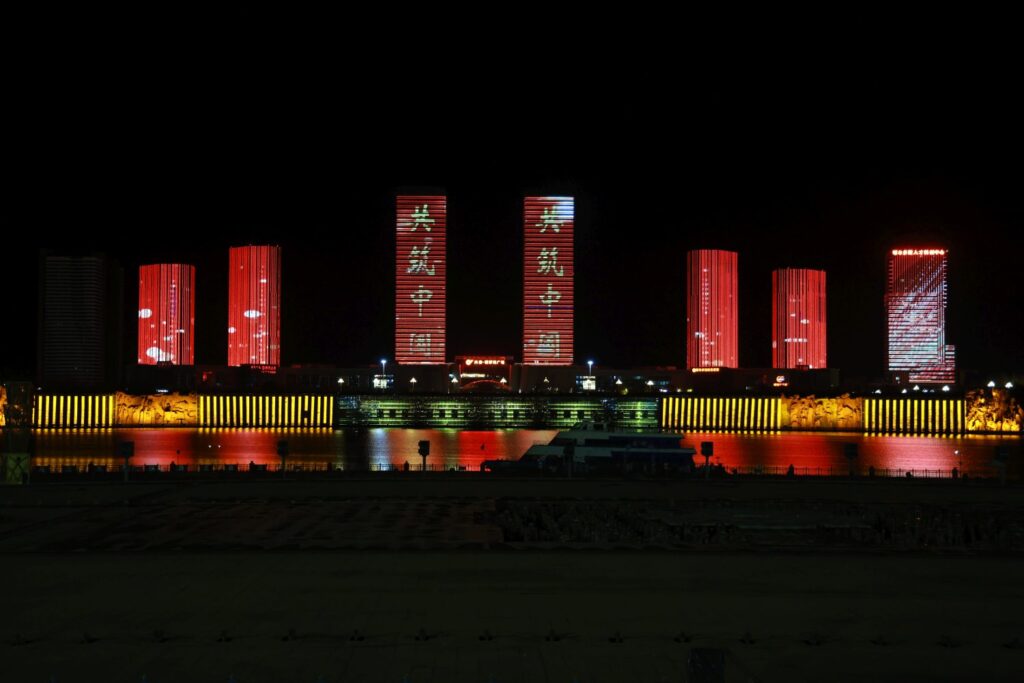
The modern side of Inner Mongolia was equally impressive. Kangbashi comes alive at night, when its illuminated skyline creates a striking combination of modern architecture and cultural charm. A city I had previously heard about in stories became a place I could finally experience firsthand. Exploring Kangbashi more extensively is already on my list for the next visit.
The journey also offered important lessons for Nepal. One particularly inspiring example was Yili Health Valley, where modern technology connects livestock farming with industrial production. Nepal has enormous potential in animal husbandry and dairy production, but greater investment in processing, packaging, quality control and market management is needed. Yili’s modern production system demonstrated how agriculture can become a stronger contributor to industry, employment and tourism.
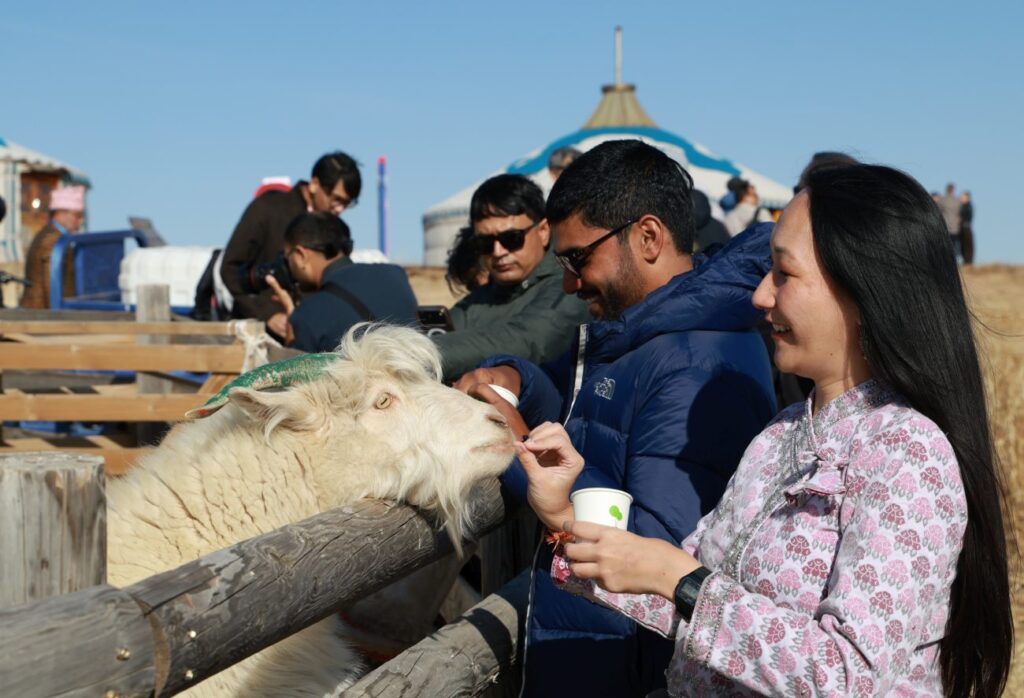
Inner Mongolia also showed how traditional culture, natural landscapes, heritage, modern infrastructure and local industries can be integrated into a broader tourism experience. Nepal, with its mountains, heritage cities, diverse communities and agricultural resources, has equally rich opportunities to develop such integrated destinations.
Our traditional dress, farming practices, livestock rearing, local food and village lifestyles are not just part of daily life; they are valuable tourism experiences waiting to be shared with the world.
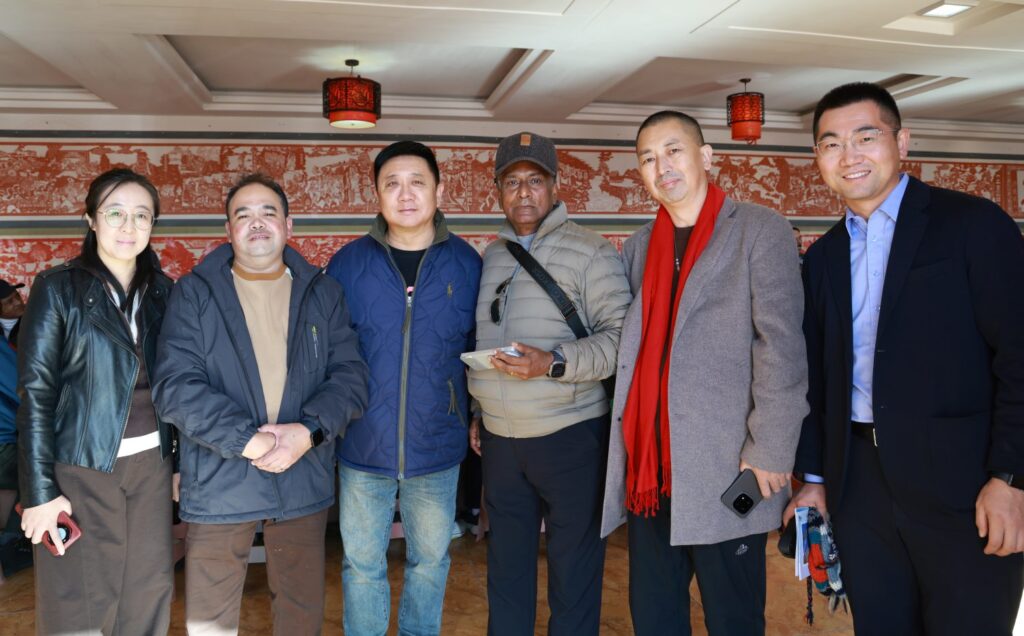
Perhaps the most rewarding moments were not always on the itinerary. Unexpectedly meeting good friends whom I had first met in Nepal added a personal touch to the journey and reminded me that tourism is ultimately about people and connections.
It was a short but successful trip, yet there was still so much left to explore. If every destination could be covered in one visit, what would bring us back? This is certainly not the end of my Inner Mongolia journey. I will return, with Kangbashi among the first places on my next itinerary.
My sincere thanks to the China Cultural Center in Nepal for the golden opportunity to explore Inner Mongolia. I am equally grateful to the Department of Culture and Tourism of Inner Mongolia Autonomous Region, our travel guide, nurse and the entire team for their warm hospitality, continuous support and excellent care throughout the journey. Their efforts made the trip comfortable, meaningful and truly memorable.
I returned to Nepal with beautiful memories, new friendships and a simple realisation: tourism is not just about showing places to visitors; it is about preserving identity, creating experiences and giving people reasons to return.