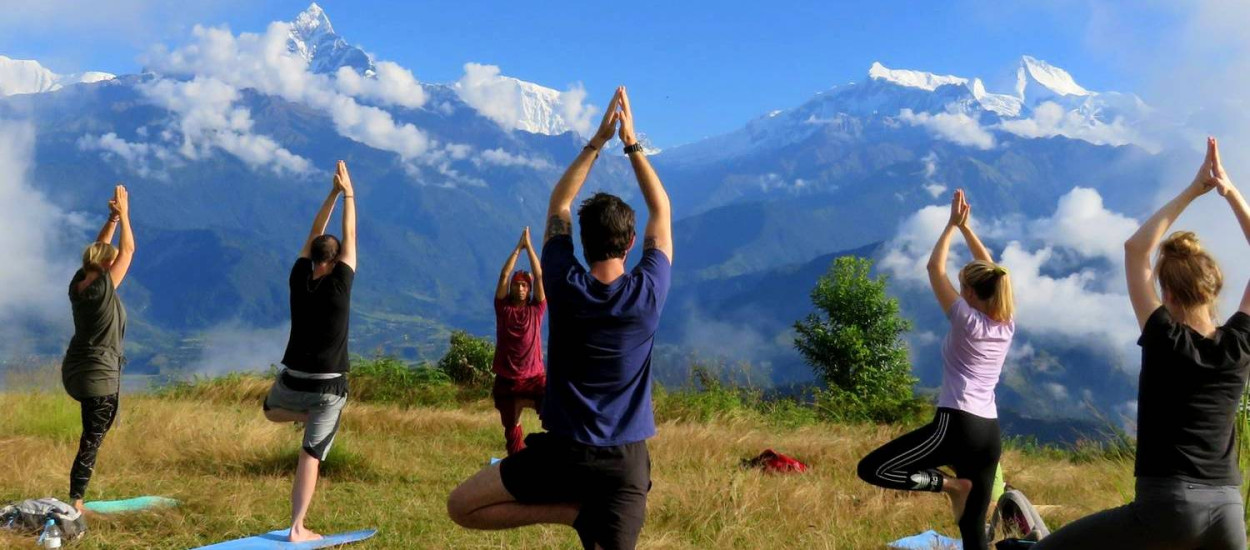
Kathmandu-The Government of Nepal has introduced a new national strategy and action plan aimed at developing the country as a leading wellness tourism destination. The plan, announced by the Ministry of Culture, Tourism and Civil Aviation, outlines a long-term vision to boost the economy through tourism growth. Under the strategy, Nepal aims to attract 11% of its total international visitors for wellness-related services by 2030. The initiative focuses on promoting the country’s natural beauty, cultural richness, and spiritual heritage on a global scale.
The plan is built on four main pillars: destination development, quality services, trust building, and inclusive benefits. Key locations such as Lumbini will be promoted as a spiritual wellness hub, while areas like Nagarkot and Dhulikhel are expected to grow as eco-retreat destinations. High-altitude regions including Manang and Mustang will offer wellness programs based on herbal resources and mountain climates.The government also plans to establish at least five integrated wellness centers by 2030 and ensure that 30% of jobs created in this sector benefit women, youth, and local communities.To maintain service standards, strict guidelines and certification systems will be introduced for wellness service providers such as yoga instructors, spa therapists, and Ayurvedic practitioners.
For global promotion, Nepal will launch digital campaigns like “Heal in Nepal” and “Wellness Nepal,” targeting key markets including the United States, Germany, the United Kingdom, and Australia, along with neighboring countries such as India and China.
Additionally, a dedicated Wellness Tourism Development Fund will be set up to support investments, and wellness parks will be developed in Pokhara and Lumbini under public-private partnerships.Despite the ambitious goals, the government has identified challenges such as limited infrastructure, skilled workforce migration, and potential health crises. Measures like crisis management plans and insurance systems are expected to address these risks.A high-level committee led by the Tourism Ministry Secretary will oversee the implementation and monitoring of the strategy.