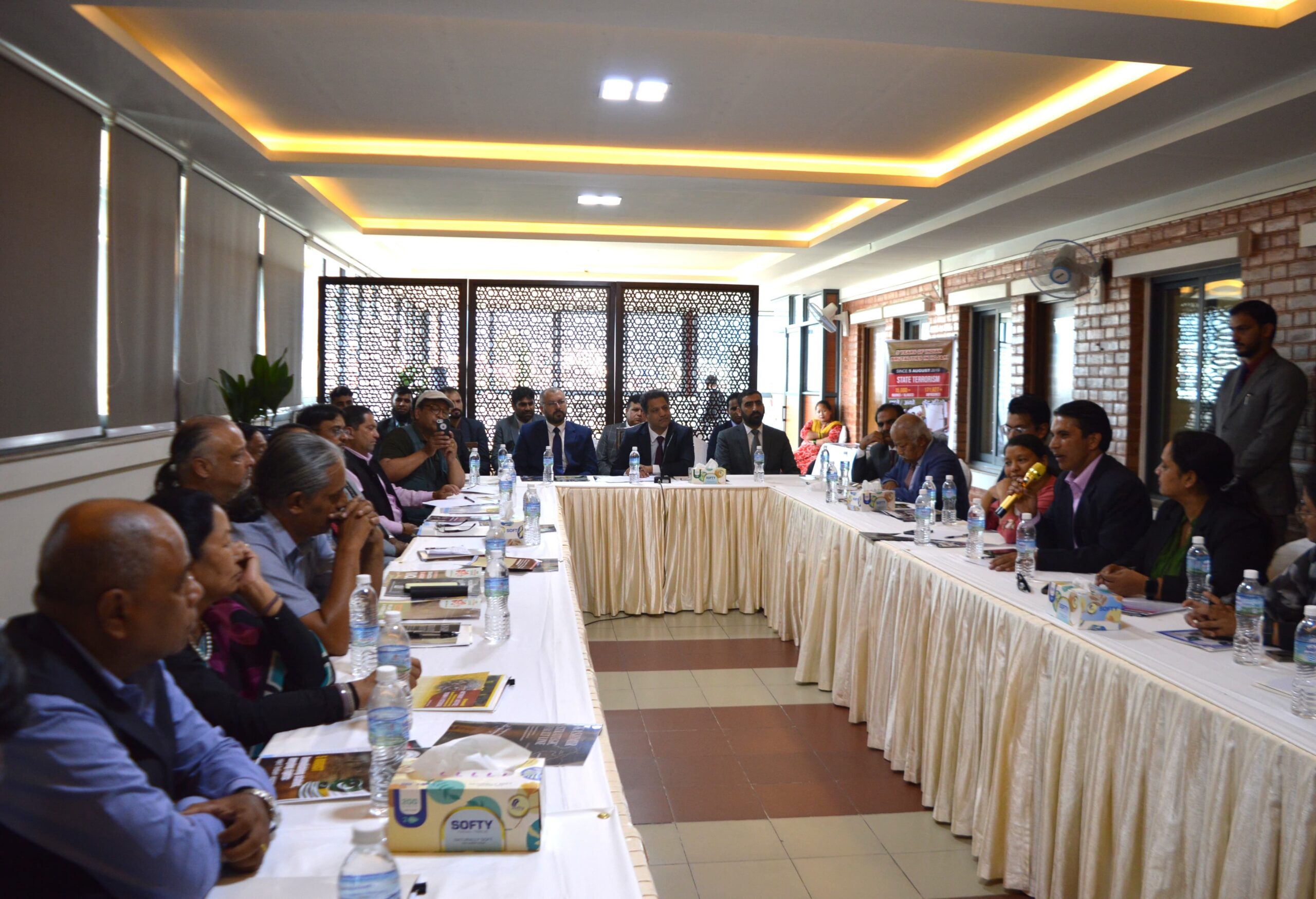
Kathmandu – The Embassy of Pakistan in Kathmandu on Monday organised a seminar titled “Kashmir’s Political Future: Legal, Diplomatic, and Strategic Perspectives,” bringing together journalists, writers, analysts and human rights activists to discuss the longstanding dispute over Jammu and Kashmir.
During the event, messages from Pakistan’s President Asif Ali Zardari, Prime Minister Muhammad Shehbaz Sharif, and Deputy Prime Minister and Foreign Minister Mohammad Ishaq Dar were read out, reiterating Pakistan’s position on the Kashmir issue.
In his message, President Zardari said Pakistan would continue to extend what he described as its moral, political and diplomatic support to the people of Indian-administered Jammu and Kashmir. He said Islamabad would keep raising the issue at international forums and called for a resolution in line with United Nations Security Council resolutions and the aspirations of the Kashmiri people. He also argued that lasting peace in South Asia depended on resolving the dispute.
Prime Minister Sharif described Jammu and Kashmir as one of the world’s longest unresolved international disputes, saying it has remained on the agenda of the UN Security Council since 1948. Referring to recent tensions between India and Pakistan following the Pahalgam attack, he said the unresolved dispute continued to pose risks to regional peace and stability. He urged the international community to press India to end what Pakistan describes as human rights violations in the region and to reverse measures introduced since August 2019.
In his message, Foreign Minister Dar accused India of taking steps to alter the demographic composition of the territory through the issuance of domicile certificates and criticised the continued detention of prominent Kashmiri political leaders.
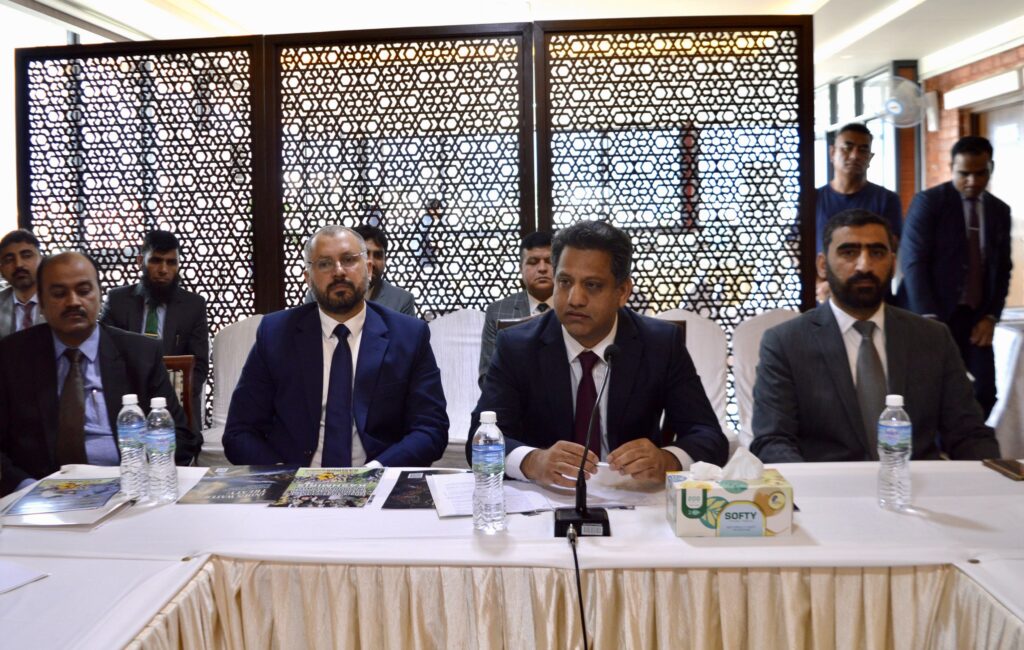
Addressing the seminar, Pakistan’s Ambassador to Nepal, Mohammad Aamir Khan, voiced concern over what he described as the humanitarian situation, restrictions on media freedom and demographic changes in Indian-administered Jammu and Kashmir. He said a durable peace in South Asia would require a resolution of the dispute in accordance with UN Security Council resolutions and the wishes of the Kashmiri people.
During the discussion session, participants expressed solidarity with the Kashmiri people and echoed Pakistan’s call for a peaceful resolution of the dispute. Speakers also emphasised the importance of dialogue and urged people-to-people efforts to help reduce tensions between India and Pakistan.
India maintains that Jammu and Kashmir is an integral part of the country and has consistently rejected Pakistan’s position, describing the issue as an internal matter. New Delhi has also defended the constitutional changes introduced in August 2019, saying they were aimed at improving governance, security and economic development in the region.